


Dragon Ball Super: Beerus, Explained (Release Date, What It Covers, Where to Watch)
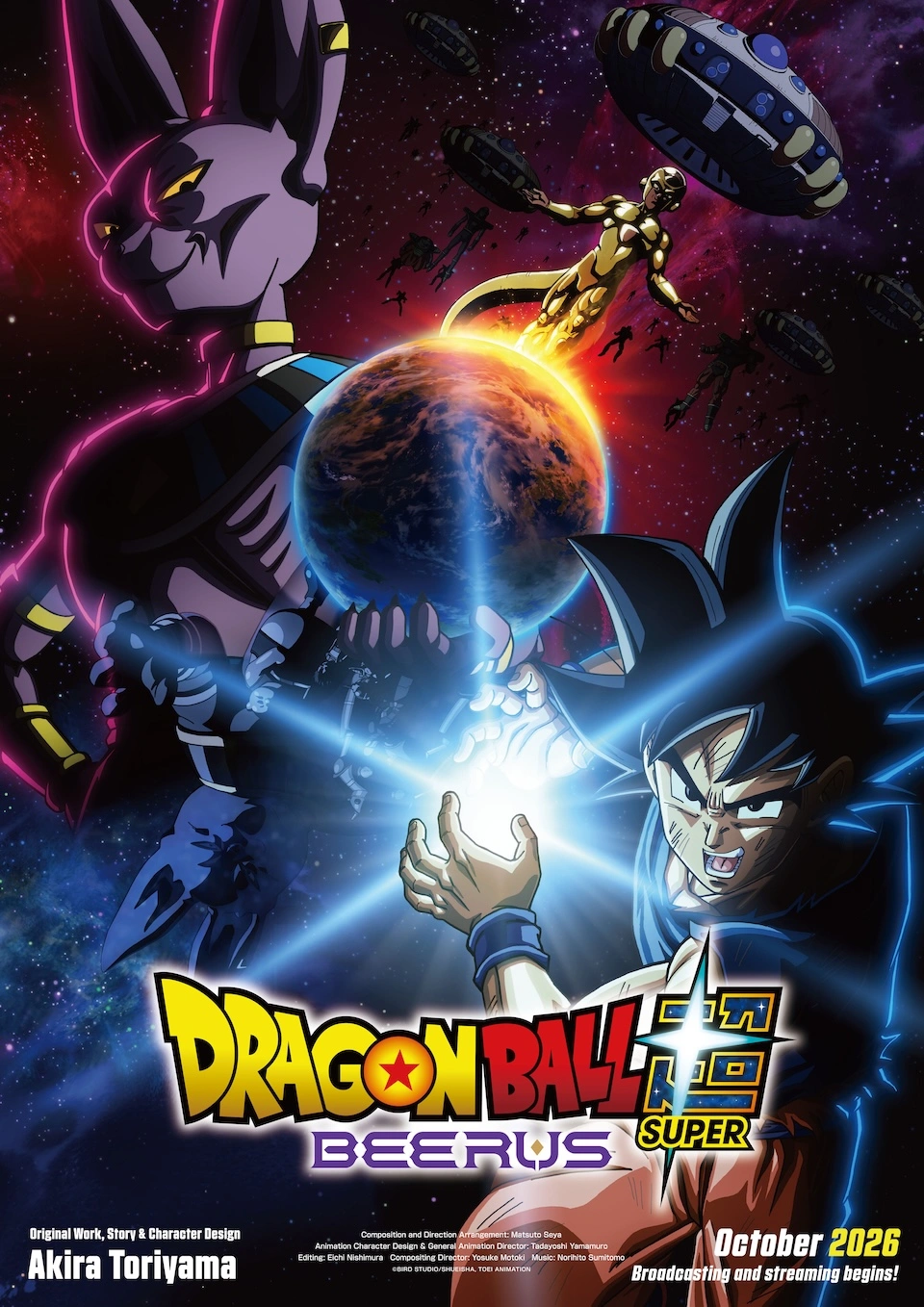
Dragon Ball returns to weekly television on 11 October 2026 with Dragon Ball Super: Beerus, the first Dragon Ball TV series since 2018. It is not a new story. It is a reconstruction of material that already exists, and understanding exactly which material is the difference between knowing what you are about to watch and being confused by it.
What it actually is
Toei is calling it an enhanced edition rather than a sequel or a straight remaster, and the distinction matters. Dragon Ball Super: Beerus is a remastered and re-edited version of the 2015 Dragon Ball Super anime, with updated animation, newly redrawn cuts, general visual improvements, newly recorded voice performances, and a reconstructed narrative.
The core problem it is solving is pacing. The original Dragon Ball Super opened with a stretch of television widely criticised for thin animation and padding, adapting a story that did not need the number of episodes it was given. This version cuts that down hard.
What it covers
This is the detail most previews get wrong, including an earlier version of our own autumn guide.
The series is not limited to the Beerus arc despite the title. It covers three sagas from the original run:
- God of Destruction Beerus, which introduces Beerus, Whis and Super Saiyan God
- Golden Frieza, the Resurrection F material, which brings Frieza back
- Universe 6, which opens the story out to fighters from another universe
All three are being condensed into a 19-episode run, down from the roughly 40-plus episodes the same material occupied originally. That is a substantial compression, and it is the main reason to watch this version rather than the original even if you have seen the story before.
What to watch first
Very little, which is unusual for Dragon Ball.
The Beerus material is written as an entry point. It opens years after the previous conflict with the cast at peace, and it explains its own stakes as it goes. If you have seen Dragon Ball Z through the end of the Buu arc, you have everything you need. If you have seen the 2015 Dragon Ball Super, you have seen this story already, and the pitch is pacing and presentation rather than plot.
If you have seen neither, this is a more forgiving starting point than most of the franchise. You will miss the weight of certain reunions, but the central relationship, Goku meeting something enormously stronger than himself, works without that history.
What you do not need is the 2015 Super anime. This replaces it for the material it covers.
Who Beerus and Whis are
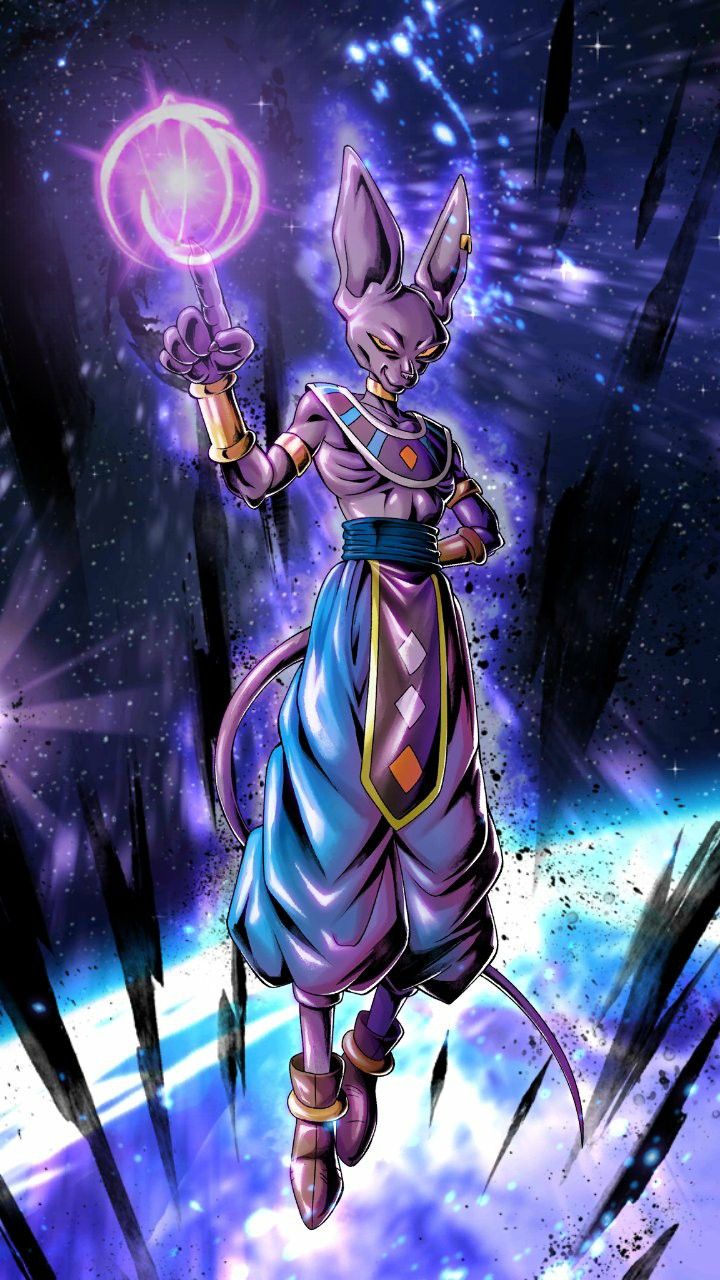
Beerus
The God of Destruction of Universe 7. His function in the cosmology is literal: destruction is a job, balancing the creation handled elsewhere, and he performs it without malice and largely on whim. He has slept for decades at a time and wakes with a vague memory of a prophecy about a Super Saiyan God.
He is the first antagonist in the franchise who is not interested in conquest and cannot be beaten by escalation alone. His introduction resets the series' ceiling completely: the cast's strongest fighter is not a threat to him, and the story is honest about that rather than finding a way around it.

Whis
Beerus's attendant, and stronger than Beerus, which the series establishes early and casually. He is an Angel, a separate class of being that serves the Gods of Destruction and operates under rules that forbid direct involvement in mortal affairs.
Narratively he is the release valve. He is unflappable where Beerus is volatile, he explains the cosmology to the cast and the audience at the same time, and he eventually becomes a trainer, which is the mechanism by which the series lets its characters start closing a gap that initially looks unclosable.
Super Saiyan God
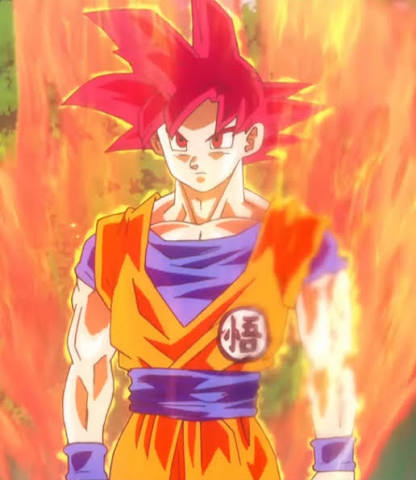
The form this arc exists to introduce, and the first in the franchise that is not simply a larger version of what came before. Super Saiyan God is slimmer rather than bulkier, red rather than gold, and quiet rather than explosive. It is the point at which Dragon Ball's power system switches from raw energy to divine ki, which is a different resource with different rules.
It also starts the chain that leads to everything since. For where it sits against the rest, every Goku form ranked works through all twelve on demonstrated output.
Where to watch
This is where UK viewers need to be realistic.
Confirmed:
- Japan: 11 October 2026 on Fuji TV and FNS affiliates
- United States: Netflix, weekly, from 17 October 2026
- An episode 1 world premiere screened at New York Comic Con on 8 October 2026
Not confirmed: a UK streaming home. As of early October 2026 no platform has announced UK rights. The US Netflix deal does not automatically extend to Netflix UK, and Dragon Ball's UK streaming rights have historically been split across different services from the US arrangement.
The honest position is that UK viewers do not yet know where this is airing. Given the US date is 17 October, an announcement is likely close, but there is no point guessing at a platform. Check closer to the date rather than trusting any site that states a UK home with confidence right now.
Closing
A 19-episode condensation of three sagas, with new animation and a reconstructed edit, is a genuinely better version of a story that was poorly served the first time. If you bounced off the 2015 Super because of its opening stretch, this is the version worth trying.
For where it sits in the rest of the autumn slate: the Fall 2026 anime season guide. For the power-scaling side: every Goku form ranked.
If the return has you after something for the shelf, listings for Dragon Ball figures and merch are on AnimeVault.
More from the blog
Get new anime collector posts in your inbox.
Reviews, guides, and hobby news — delivered directly.
By subscribing, you agree to our Privacy Policy.