

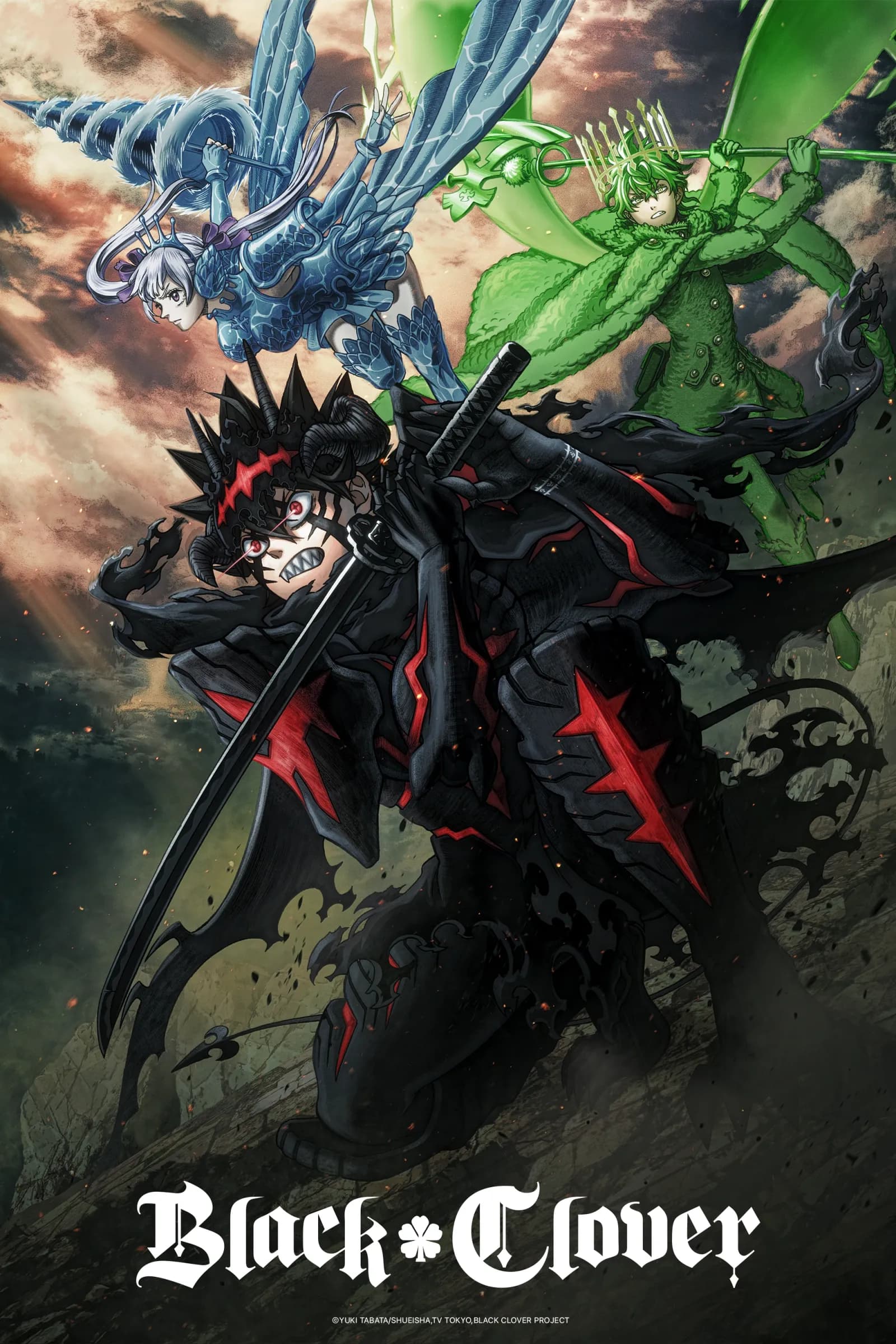
Black Clover Magic Attributes Explained (Every Major Type)
Spoiler scope: Anime only, episodes 1 to 170, plus the 2023 film. No manga-only mechanics or reveals are used here. Safe to read in premiere week.
Black Clover's magic system is unusually rigid for a shonen series, and that rigidity is the point. Almost everything a character can do is fixed at birth by two things they did not choose, which turns the handful of exceptions into the entire story.
How the system works
Mana is the innate reserve every person is born with. It does not meaningfully grow through training in the way stamina does; it sets a ceiling, and the work goes into using more of what you already have. This is why social class and magic power track each other so closely in the Clover Kingdom, and why royalty treat commoners the way they do.
Grimoires arrive at fifteen, from the Grimoire Tower. A grimoire does not grant power so much as declare it: it contains the spells its owner can cast, it grows new pages as the owner develops, and its thickness roughly signals how much the owner can do. Lose it and you are not powerless, but you are badly reduced.
The clover on the cover is the shorthand everyone uses:
- Three leaves is standard. Faith, hope and love, one per leaf. Almost every mage in the kingdom carries one.
- Four leaves is rare and signals exceptional talent, the fourth leaf being good fortune. Yuno's is a four-leaf, and the series treats it as a marker of someone destined for the top.
- Five leaves is the black clover the series is named after. The fifth leaf houses a devil. Asta's grimoire is the only one shown in the anime, and it is a battered five-leaf that was once a four-leaf belonging to someone else.
Attributes are the category of magic a mage is born to: fire, water, wind, darkness and so on. A mage gets one and does not switch. What separates a Magic Knight captain from a rank-and-file knight is rarely a better attribute; it is volume of mana and the control to spend it well, which at the top level means Mana Zone, the ability to take command of the ambient mana in an area rather than only the mana inside your own body. Mana Zone roughly doubles the scale of what a mage can do and is the dividing line between strong mages and the genuinely dangerous ones.
What follows is the major attributes shown in the anime, who uses each best, and where each one stops working.
Anti-Magic
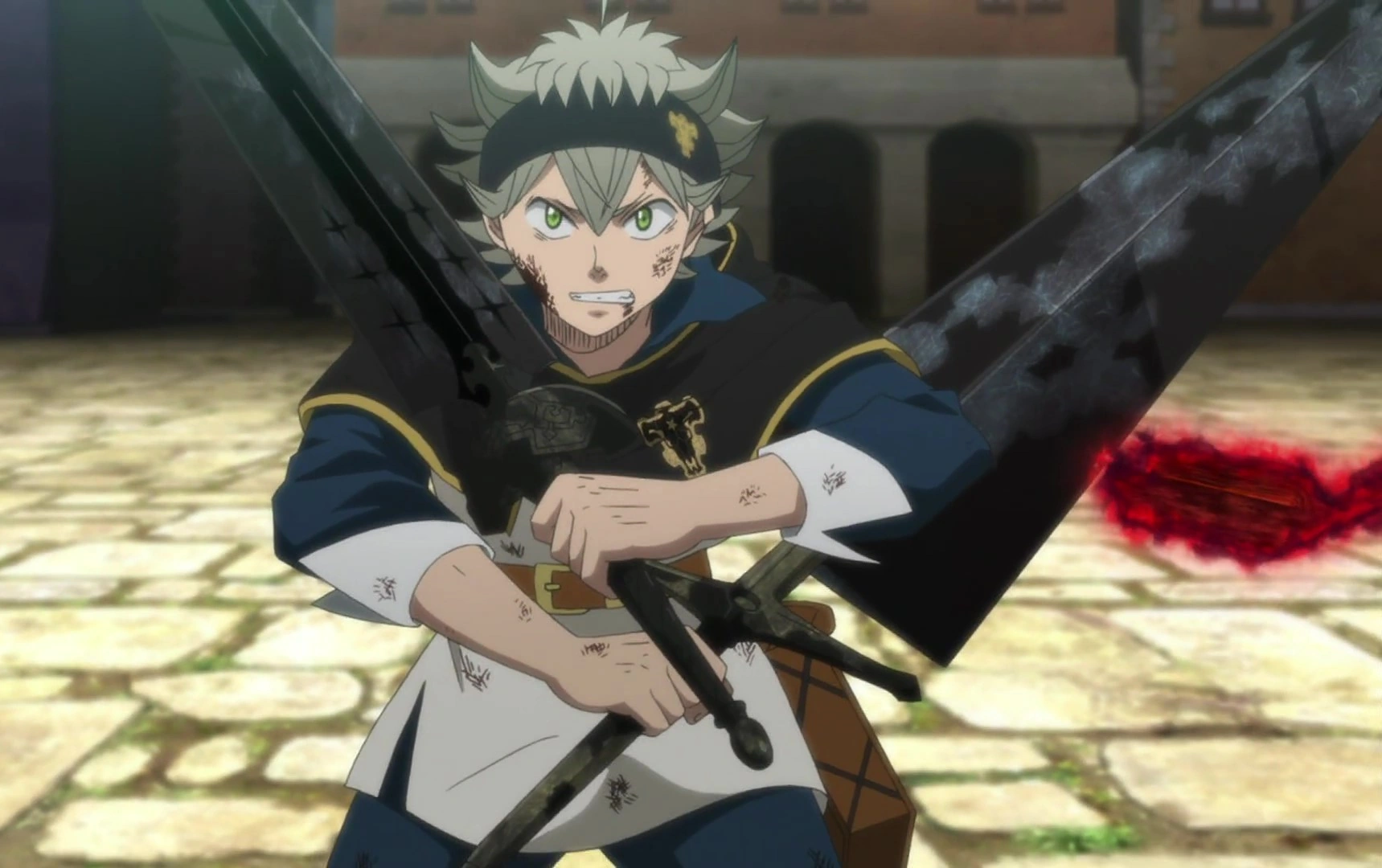
Anti-Magic (Asta)
Anti-magic is not an attribute. It is the absence of mana taken to its logical end: Asta has literally none, which in a world where everything is mana should make him a non-participant, and instead gives him access to the one force that cancels magic rather than competing with it. It reaches the world through the swords in his five-leaf grimoire, which negate spells on contact and cut through magical constructs as though they were not there.
The limits are severe and specific. Asta cannot cast, cannot fly, cannot sense mana, and cannot do anything at all without a sword in his hands. Against an opponent who fights physically rather than magically, he is a very fit teenager with a large blade. What makes him dangerous is the inversion: the more an opponent relies on magic, the better the matchup becomes, which means anti-magic scales directly with the strength of whoever is pointed at it. That is why it fells a Wizard King and struggles against ordinary problems.
Wind Magic
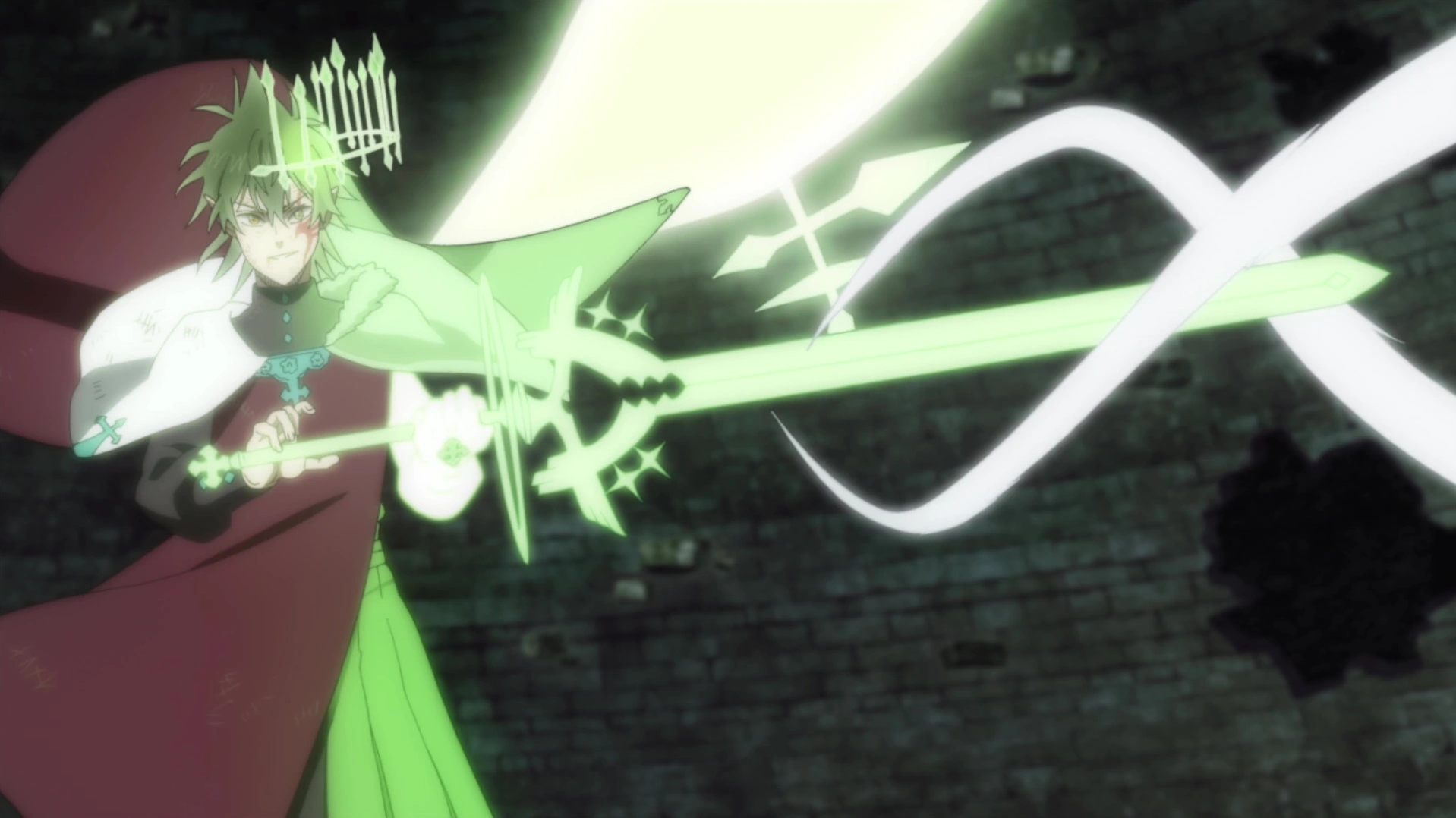
Wind Magic (Yuno)
Wind is a common attribute that Yuno makes look rare. Its basic applications are cutting, propulsion and flight, which gives a wind mage both mobility and offence from the same spell list without needing to switch registers mid-fight. Yuno's Towering Tornado and Spirit of Zephyr are the clean examples: one controls the whole field, the other is a single decisive strike.
The limit worth understanding is that the attribute is not doing the heavy lifting. Plenty of mages use wind; what elevates Yuno is an enormous mana pool, a four-leaf grimoire, and the bond with Sylph that unlocks Spirit Dive, fusing mage and spirit into one body. Strip the spirit and the mana volume away and wind is a mid-tier attribute. It is the best illustration in the series of the rule that the user matters more than the category.
Time Magic
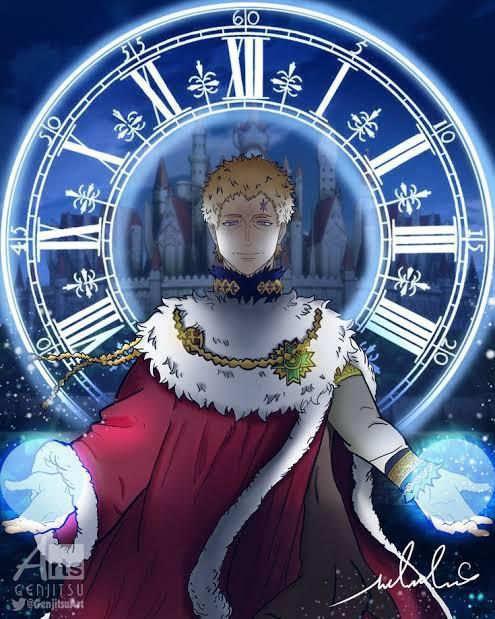
Time Magic (Julius Novachrono)
The rarest and most complete attribute the anime shows, and the reason Julius is the Wizard King. Chrono Stasis stops a target outright. He can accelerate himself, rewind damage within his domain, and store time to spend later, which is a resource mechanic no other attribute has. Against an opponent who relies on movement or on casting, time magic simply removes the premise of the fight.
Its limit is the most instructive thing in the whole system. Time magic interacts with magic, and anti-magic is the absence of it, so there is nothing for Chrono Stasis to grip. That is precisely how Julius falls: not outfought, but struck with the one category of attack his attribute cannot address. The strongest magic in the series has a clean hard counter, and the series builds its central character around holding it. For where that places him overall, see the strongest Black Clover characters ranked.
Darkness Magic
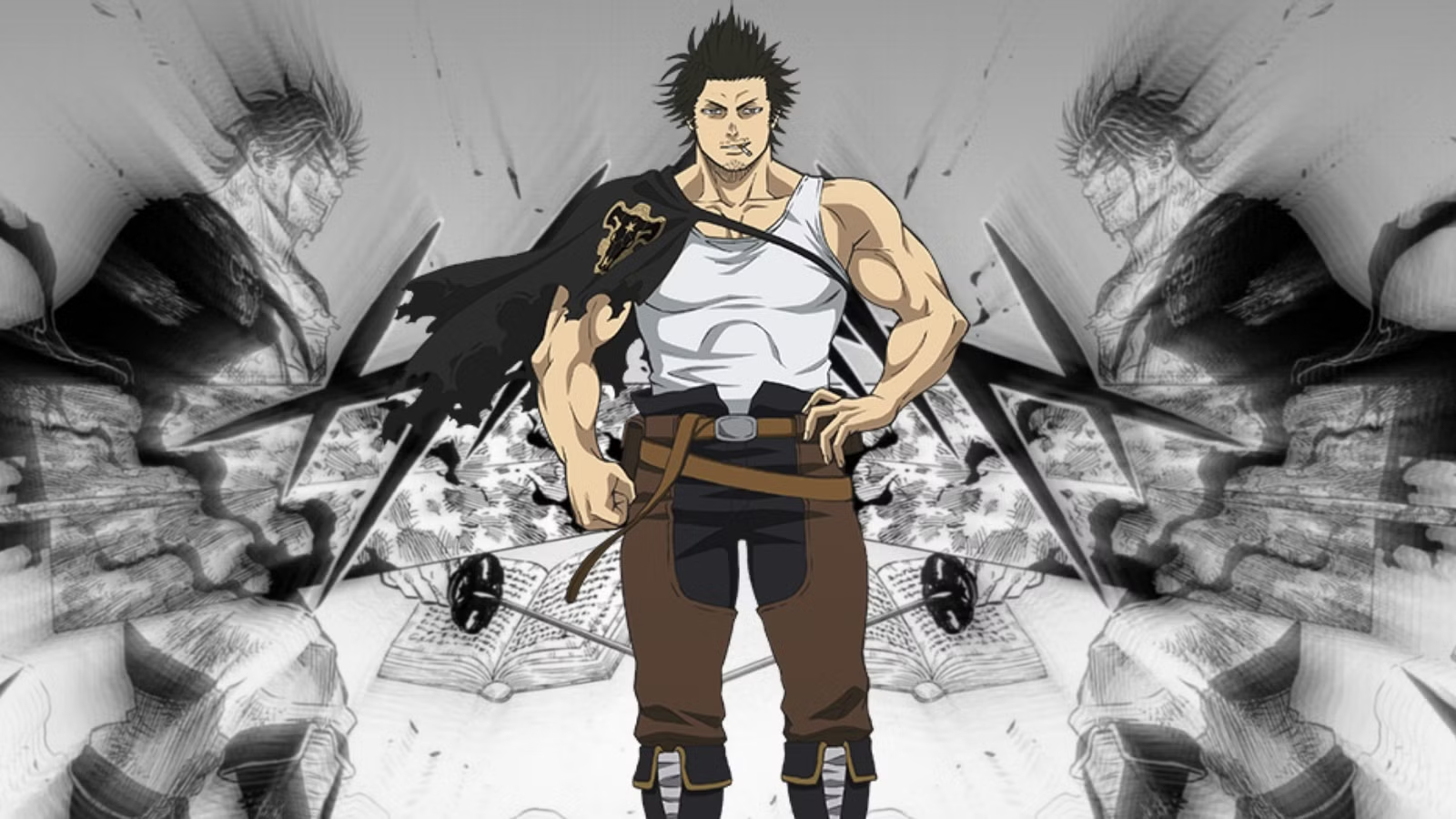
Darkness Magic (Yami Sukehiro)
A rare attribute that works by consuming other mana, which makes it unusually effective against opposing spells rather than merely stronger than them. Yami channels it through a katana, so his spell list reads as sword techniques: Dark Cloaked Slash for cutting through defences, and Dimension Slash, which cuts space itself and therefore ignores most things built to stop a blade.
The limit is time, and the series is explicit about it. Darkness magic develops slowly and is weak early; Yami describes it as an attribute that gives you almost nothing for years before it becomes formidable. It also demands exceptional mana control to use at all, which is why so few mages have it and fewer still make it work. It rewards exactly the kind of mage who refuses to quit, which is the point of giving it to Yami.
Water Magic
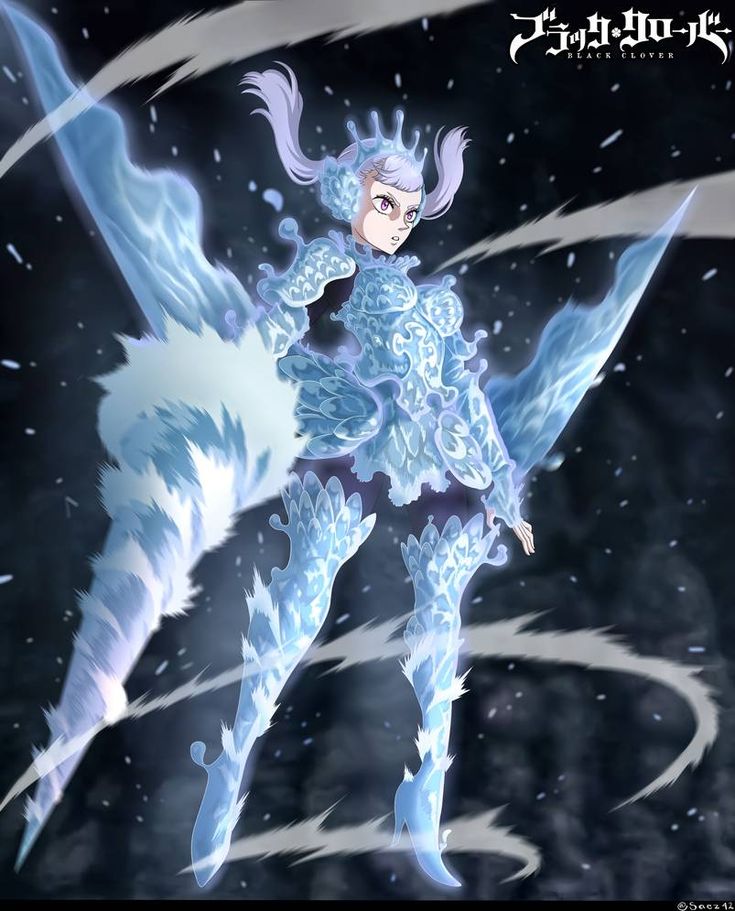
Water Magic (Noelle Silva)
The most versatile of the common attributes. Water attacks, shields, carries and heals adjacent roles without the mage changing approach, and House Silva's standing in the Clover Kingdom rests on it. Noelle's progression is the clearest demonstration: Sea Dragon's Roar as a single offensive spell, Valkyrie Dress as a full-body mana armour that converts her from an artillery piece into a frontline fighter.
Its limit is control rather than power, and Noelle's early arc is built entirely on that distinction. She has one of the largest mana reserves in the cast from the first episode and spends dozens of episodes unable to point it anywhere useful. Water magic punishes a mage who cannot regulate volume, because an uncontrolled spell goes everywhere. Once she solves control, nothing about her ceiling changes; she simply starts reaching it.
Flame Magic
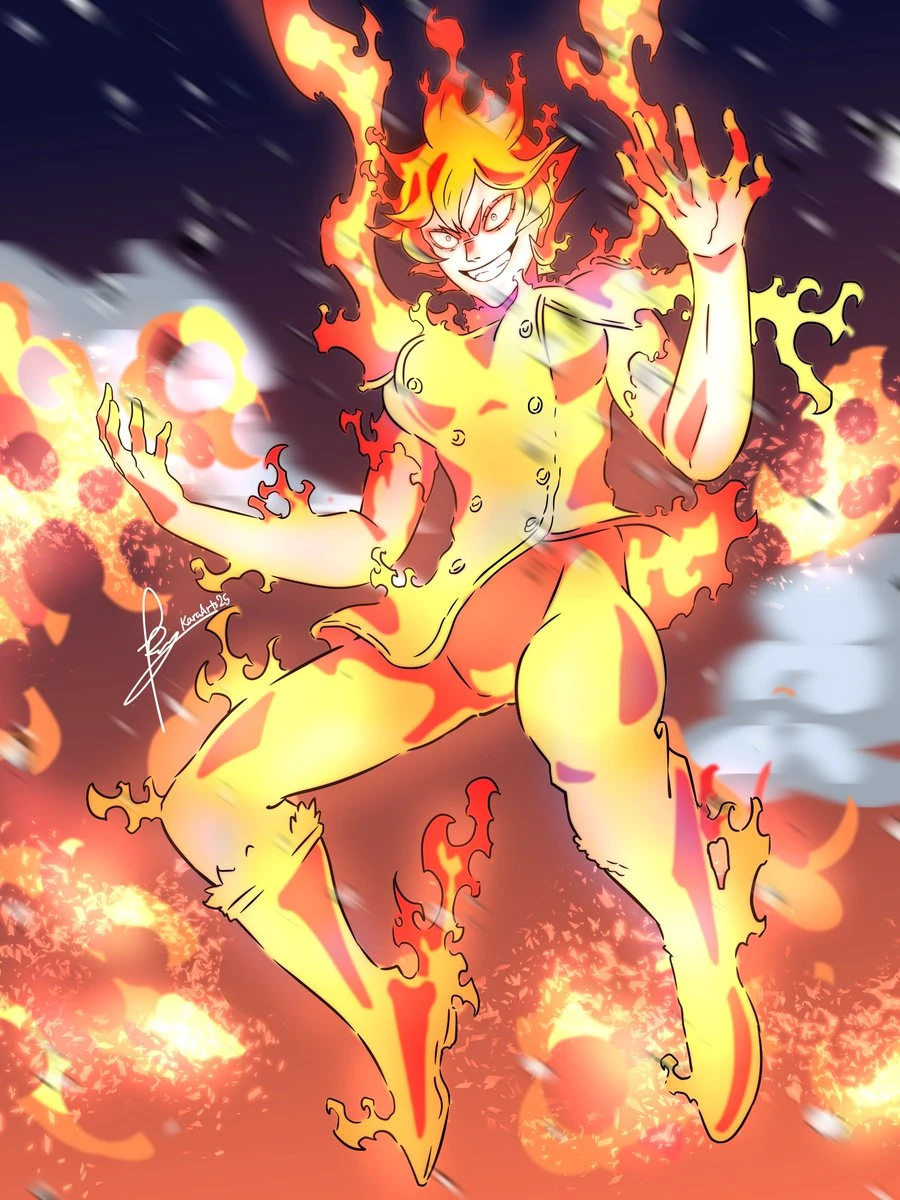
Flame Magic (Mereoleona Vermillion)
The straightforward destructive attribute, and House Vermillion's inheritance. Most fire mages cast at range. Mereoleona does not: she coats her own fists and closes the distance, which makes her the most physically aggressive mage in the series and turns a ranged attribute into a brawling one. Her real distinction is Mana Zone mastery, the most refined shown by any Magic Knight, letting her hold and reshape the ambient mana of an entire area while fighting several opponents at once.
Fire's limit is that it is indiscriminate. It is difficult to use near allies, difficult to scale down, and offers little utility outside damage. Fuegoleon's bond with Salamander is the other direction the attribute can go, trading some of Mereoleona's brute application for control and sustained output. Both siblings are near the top of the kingdom with the same attribute used in opposite ways.
Spatial Magic
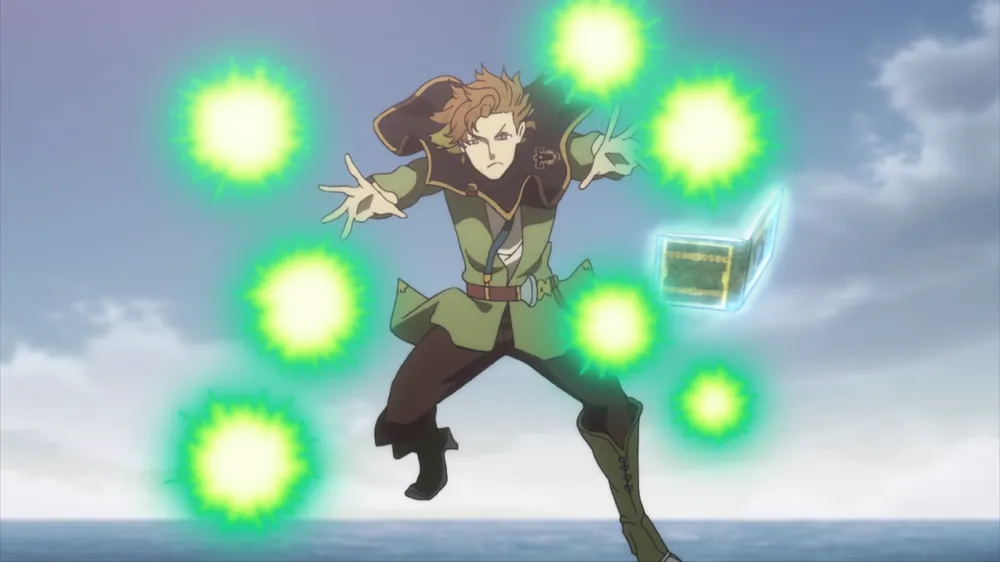
Spatial Magic (Finral Roulacase)
Spatial magic manipulates distance directly, creating portals that move people and objects between points and redirect incoming attacks back at their source. Finral is the Black Bulls' transport and the reason the squad arrives anywhere on time, and in a series where the battlefield is often a whole kingdom, that is not a minor role.
Finral cannot attack with it, and that is the most useful limit in the entire system to understand. His brother Langris has the same attribute and uses it offensively, opening portals that sever whatever passes through them. Same magic, opposite application, wildly different combat value. Spatial magic is the series' clearest proof that an attribute does not determine what a mage is capable of; it determines the material they have to work with, and the rest is the person. Finral's refusal to use it to hurt people is characterisation, not a ceiling.
World Tree Magic
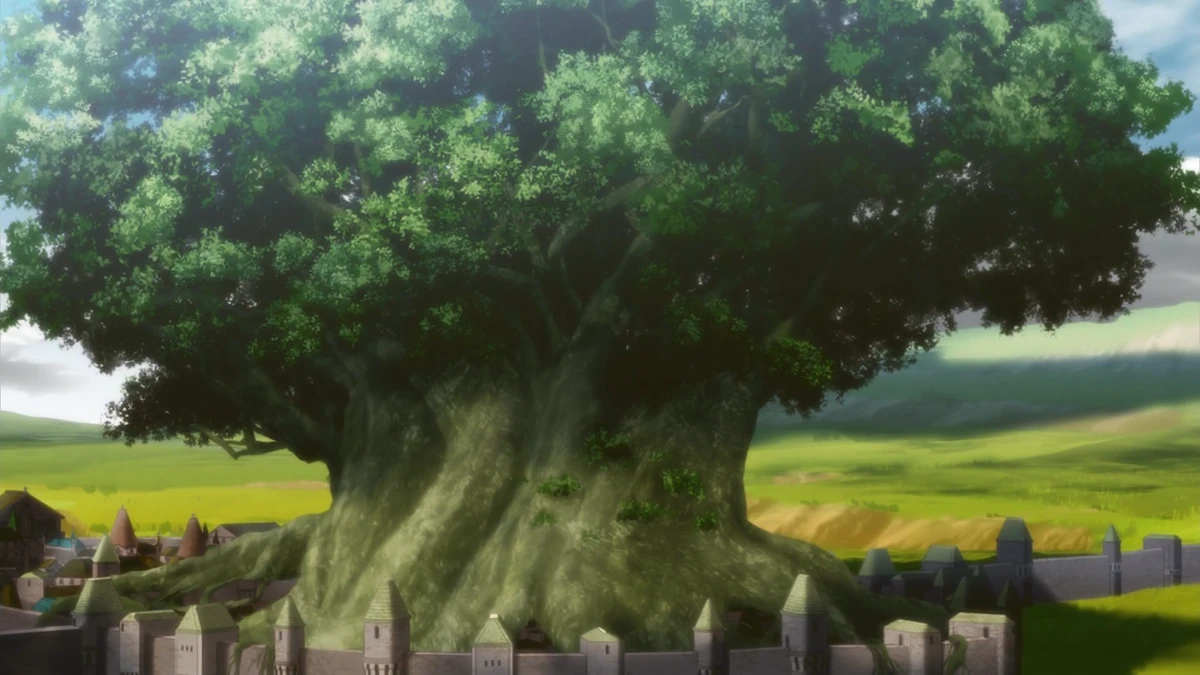
World Tree Magic (William Vangeance)
One of the rarest attributes shown, and the only one that is genuinely dual-purpose at scale. William grows enormous trees whose roots bind and crush enemy forces while their branches simultaneously channel healing to allies across the same battlefield. A single cast can decide an engagement involving hundreds of people, which is why he captains the Golden Dawn and why Julius regarded him as a successor.
Its limits are scale and time. World tree magic is built for battlefields rather than duels, it is slow to deploy relative to a sword or a fireball, and a sufficiently fast opponent can end the fight before the tree matters. The anime adds a complication of its own: William shares his body with the elf Patri for much of the run, which makes it genuinely difficult to separate his own output from the elf's. What is clear is the attribute's ceiling, which is among the highest in the kingdom.
What the system is actually arguing
Black Clover sets up a world where power is assigned at birth, by mana you did not earn and an attribute you did not pick, and then spends its whole run undermining that. Finral has a rare attribute and uses it to drive a taxi. Yuno has a four-leaf grimoire and still has to work. Julius holds the strongest magic in the kingdom and is brought down by a boy with none.
The rigidity exists so the exceptions mean something, which is a different design philosophy to most power systems. For a contrast, One Piece's Devil Fruits sort users into three fixed categories too, but the interesting variation there comes from the fruits themselves rather than from who ends up holding one.
Closing
Mana sets the ceiling, the grimoire declares it, the attribute decides the shape, and Mana Zone is where ordinary strong mages become dangerous ones. Anti-magic sits outside all four, which is exactly why the series is built around it.
Season 2 starts on 3 October and the Spade Kingdom brings devil-granted magic into the picture properly, which is a different category again. For the catch-up before it airs, what to remember before Season 2 covers where the anime left you. For how these attributes translate into an actual power order, the strongest Black Clover characters ranked works through the cast.
If reading this has you wanting something on the shelf, listings for Black Clover figures and merch are on AnimeVault.
More from the blog
Get new anime collector posts in your inbox.
Reviews, guides, and hobby news — delivered directly.
By subscribing, you agree to our Privacy Policy.