


Every One Piece Arc, Ranked (Complete Anime + Manga List)
Spoiler Warning
This post ranks One Piece arcs through the current manga position past chapter 1188 and discusses arc outcomes, including character deaths and the Elbaf Arc's ongoing reveals. The anime is roughly 35 chapters behind. If you are anime-only, the Elbaf entry and parts of the Egghead entry will spoil unaired material.
One Piece has been running since 1997 and is now past chapter 1188 in its Final Saga. This ranking covers the 18 major arcs rather than every sub-arc, which means the short connective arcs (Loguetown, Jaya, Drum Island, Amazon Lily, Reverie) are not given individual entries despite several being genuinely good. Each of the 18 here is a substantial arc that carries a saga or defines one.
The criteria are story construction, character payoff, thematic weight, and animation achievement for arcs that have been adapted. Adaptation pacing counts, because an arc stretched thin across too many episodes is a worse viewing experience than the same story told tightly, and One Piece has a documented history of both. Episode count on its own is not a criterion; a long arc is not penalised for being long, only for being padded.
What this ranking deliberately does not weigh is power scaling. Who would beat whom, how bounties compare, and where a given Devil Fruit sits in the hierarchy are all interesting questions and none of them are what makes an arc good. Where a character's strength is genuinely load-bearing for the story, it gets a line and a link to the post that actually argues it.
TL;DR
| Rank | Arc | Format | |------|-----|--------| | #18 | Fish-Man Island | Anime eps 523-574 | | #17 | Punk Hazard | Anime eps 579-625 | | #16 | Zou | Anime eps 751-779 | | #15 | Thriller Bark | Anime eps 337-381 | | #14 | Skypiea | Anime eps 153-195 | | #13 | Baratie | Anime eps 19-30 | | #12 | Impel Down | Anime eps 422-456 | | #11 | Sabaody Archipelago | Anime eps 385-405 | | #10 | Egghead | Anime eps 1089-1155 | | #9 | Dressrosa | Anime eps 629-746 | | #8 | Elbaf | Ongoing (provisional) | | #7 | Arlong Park | Anime eps 31-44 | | #6 | Alabasta | Anime eps 92-130 | | #5 | Whole Cake Island | Anime eps 783-877 | | #4 | Wano Country | Anime eps 890-1085 | | #3 | Water 7 | Anime eps 229-263 | | #2 | Marineford | Anime eps 457-489 | | #1 | Enies Lobby | Anime eps 264-312 |
#18: Fish-Man Island Arc
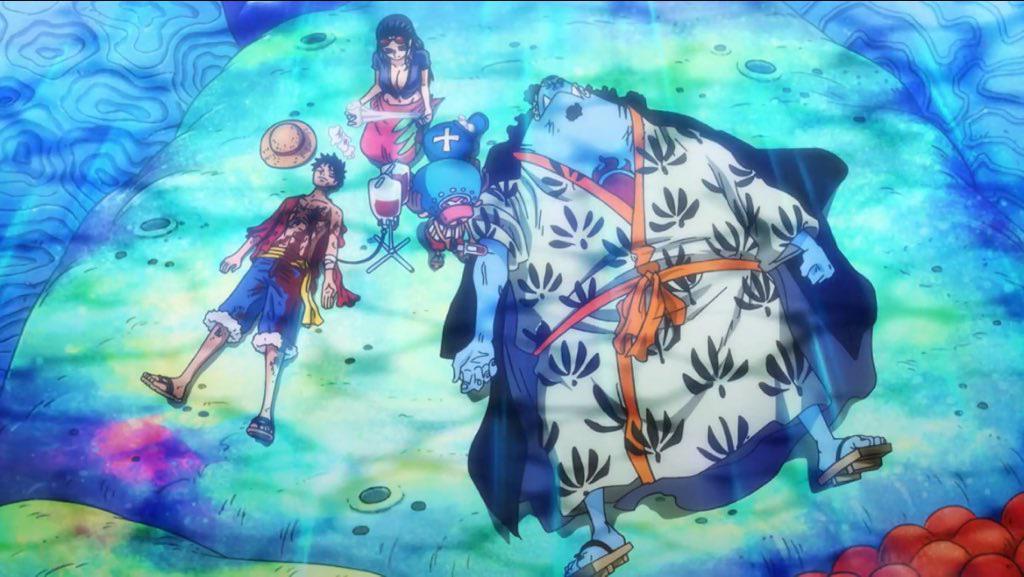
Fish-Man Island Arc
Anime: episodes 523 to 574 | Manga: chapters 603 to 653
The reunited crew's first stop after the timeskip. Hody Jones and the New Fish-Man Pirates attempt a coup while the island's history of persecution surfaces around them.
The thematic material here is among the most serious One Piece has attempted. Fisher Tiger's story, Otohime's assassination, and the question of whether a persecuted people can choose coexistence over revenge are handled with real weight, and Jinbei's account of Tiger's death is one of the best flashback sequences of the post-timeskip run. The problem is that the arc surrounding that material does not match it. Hody Jones is the weakest major antagonist in the series by a clear margin: his hatred is explicitly inherited rather than lived, which is thematically deliberate and dramatically inert. He has no personal history with anyone in the cast and nothing at stake beyond ideology he absorbed second-hand.
The adaptation compounds it. Fifty-two episodes for fifty manga chapters is roughly a one-to-one ratio, which for One Piece anime means heavy padding, and the arc's action sequences are stretched noticeably. Fish-Man Island had to reintroduce a crew that had been apart for two years and establish the New World's stakes simultaneously, and it does neither efficiently. The ideas are good. The execution is the weakest in the series.
#17: Punk Hazard Arc
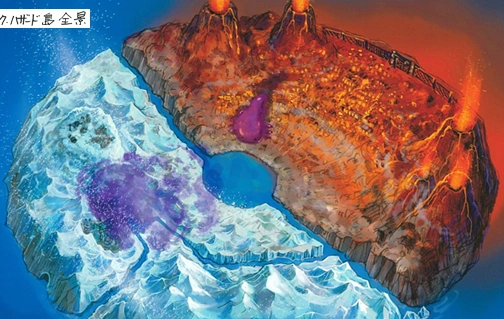
Punk Hazard Arc
Anime: episodes 579 to 625 | Manga: chapters 654 to 699
A burning, frozen island split in half. Caesar Clown's laboratory, a group of kidnapped children, and the beginning of the alliance between Luffy and Trafalgar Law.
Punk Hazard's strongest quality is its function: it re-establishes the crew as a working unit after the timeskip in a way Fish-Man Island failed to, and the body-swap comedy in the middle stretch is the best sustained comedic sequence in the New World. Law's alliance proposal reframes the series' scope, moving from island-by-island adventure to a plan aimed at a Yonko, and Caesar is a genuinely repellent antagonist whose crimes against the children give the arc a grim floor beneath the humour.
It ranks low because it is transparently a setup arc. Almost nothing in it resolves. The children are rescued, Caesar is captured, and every other thread is deliberately handed forward to Dressrosa. Smoker and Tashigi are given more presence than they have had in a hundred episodes and then set aside. The tonal range is wide without being coherent, moving between child-experimentation horror and a Zoro-in-Nami's-body gag within the same episode. Competent, purposeful, and thin on its own terms.
#16: Zou Arc
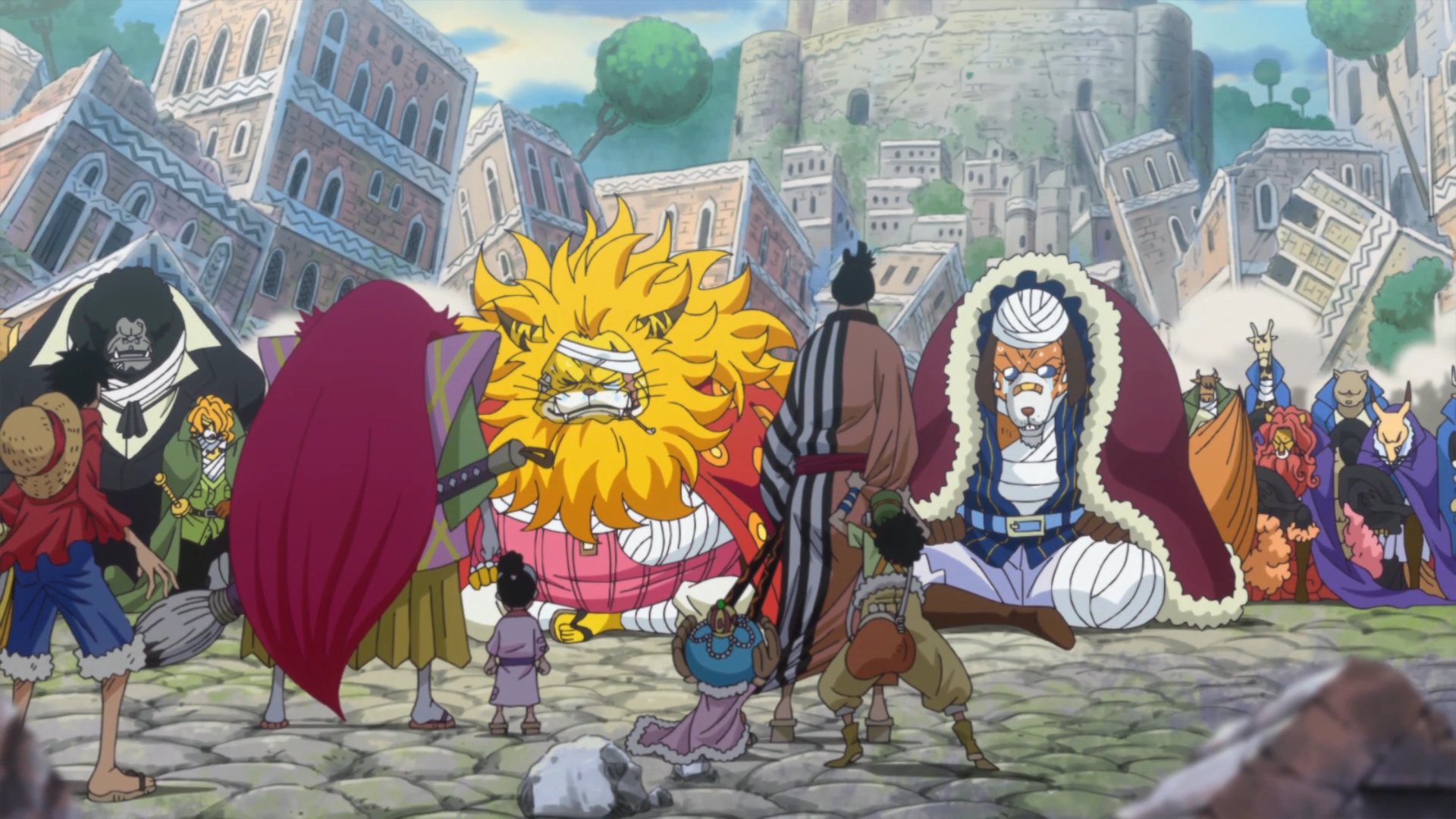
Zou Arc
Anime: episodes 751 to 779 | Manga: chapters 802 to 824
An island on the back of a thousand-year-old elephant. The Mink Tribe, the aftermath of Jack's assault, the Raizo reveal, and Sanji's departure for Whole Cake Island.
Zou is worldbuilding delivered almost entirely through exposition, and it is very good worldbuilding. The Minks, the Kozuki history, the Road Poneglyphs, and the connection between Wano and Zou that has been seeded since Water 7 all land here. Momonosuke's lineage, Raizo's survival, and the reveal that Kin'emon's group has been operating on a much older plan reframe several arcs retroactively. The elephant itself is one of Oda's better single ideas.
As an arc it barely functions as one. There is no antagonist present, the major fight happened before the crew arrived, and the structure is a sequence of conversations. Its emotional peak is Sanji's decision to leave, and that peak belongs to the arc it sets up rather than to Zou. Twenty-nine episodes of setup with a strong payoff two arcs later is a reasonable trade for the series and a difficult thing to rank highly in isolation.
#15: Thriller Bark Arc
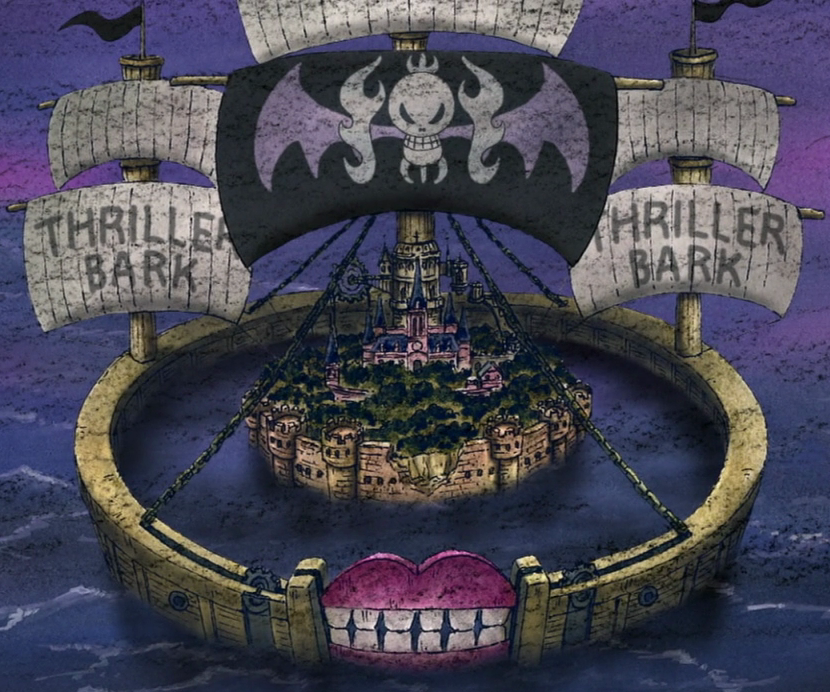
Thriller Bark Arc
Anime: episodes 337 to 381 | Manga: chapters 442 to 489
A haunted island inside a permanent fog bank. Gecko Moria steals shadows to animate zombies, and Brook joins the crew after fifty years alone at sea.
Thriller Bark contains the single best moment in One Piece and one of the weaker arcs around it. Zoro's decision at the end, taking the entirety of Luffy's accumulated damage into his own body and then standing in a pool of his own blood to tell Bartholomew Kuma that nothing happened, is the most complete character statement any Straw Hat receives. It works because Zoro has spent four hundred episodes refusing to explain himself, and the arc gives him a moment where the refusal is the point.
The rest is uneven. Moria is a thematically rich antagonist, a man who lost his entire crew and rebuilt one out of corpses so he could never lose anyone again, and the Oars fight buries that under an extended and repetitive giant-zombie brawl. Brook's introduction is excellent and his backstory with Laboon retroactively improves an arc from four hundred episodes earlier. Perona and the Halloween tone give it a distinct identity most arcs lack. A high peak on an inconsistent body.
#14: Skypiea Arc
Skypiea Arc
Anime: episodes 153 to 195 | Manga: chapters 237 to 302
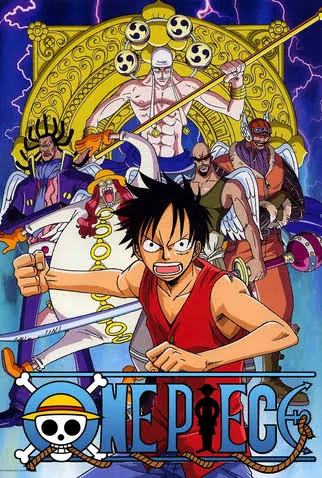
An island in the sky, four hundred years of war over land that nobody remembers the origin of, and a self-declared god named Enel.
Skypiea is the arc most commonly abandoned by new readers and the one that most rewards finishing. Its central material, the Shandia's four-century displacement and the story of Noland and Kalgara, is the purest expression of One Piece's actual thesis: that things people leave behind outlast them, and that a promise can survive four hundred years of being called a lie. Montblanc Cricket's family being mocked for eight generations over a story that turns out to be true, resolved by a bell ringing from the sky that nobody down below understands, is the best single payoff in the pre-timeskip series.
The pacing is the problem and it is a real one. The arc spends a long stretch on the survival-game structure of the Upper Yard trial before the historical material surfaces, and the anime adaptation is slower still. Enel is a memorable antagonist with an unusually flat arc, functioning more as a force of nature than a character. Skypiea is thematically top-five material inside a structurally mid-table arc, and the ranking splits the difference.
#13: Baratie Arc
Baratie Arc
Anime: episodes 19 to 30 | Manga: chapters 42 to 68
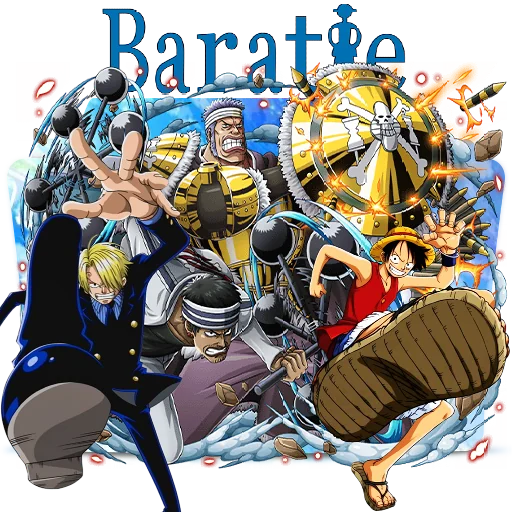
A floating restaurant in the East Blue. Sanji joins the crew, Don Krieg attacks, and Zoro is cut down by Dracule Mihawk.
Baratie is the most efficient character-introduction arc in the series. Sanji's backstory with Zeff, two men starving on a rock while one of them secretly eats nothing and cuts off his own leg rather than the food he is guarding, establishes everything about the character in a single flashback: the absolute rule about never wasting food, the obligation he cannot repay, and the reason he stays somewhere he has outgrown. Nothing about Sanji across the next thousand chapters contradicts it.
The Mihawk sequence does something structurally important. Zoro loses completely, is told he was never close, and asks Luffy to never doubt him again. It is the first time the series establishes that its protagonists are not currently strong enough for their stated goals, and it sets the pattern the whole run follows. Ranked here rather than higher because Don Krieg is a functional villain rather than a memorable one, and the arc's ceiling is limited by how early it sits. For where Zoro's goal eventually lands, the Straw Hat crew ranking covers it.
#12: Impel Down Arc
Impel Down Arc
Anime: episodes 422 to 456 | Manga: chapters 525 to 549
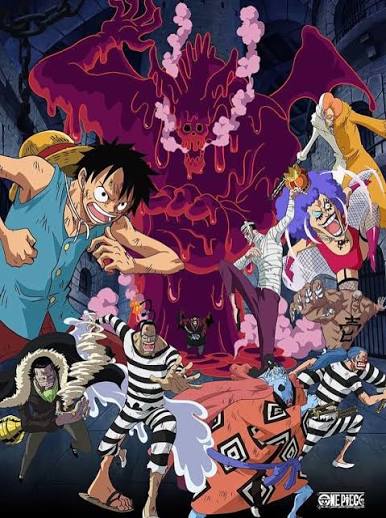
Luffy breaks into the world's deepest prison to reach Ace before his execution, descending through six levels of escalating hell and assembling an accidental army on the way down.
Impel Down is the tightest-paced arc in the pre-timeskip series. It has a clock, a single objective, and a structure that escalates automatically because every level down is worse than the last. The reunions are well chosen: Buggy, Mr 3, Crocodile, and Bon Clay all return with reasons to be there, and the arc converts former antagonists into a functioning unit without softening any of them. Magellan is an effective obstacle precisely because he cannot be beaten and the arc never pretends otherwise.
Bon Clay's final act, staying behind at the Gates of Justice knowing exactly what it costs him, is the emotional high point and it is earned across two arcs of setup going back to Alabasta. The reason it does not rank higher is that Impel Down is structurally a corridor. It exists to move Luffy from one place to another and to raise the temperature before Marineford, and it succeeds at that while resolving almost nothing of its own. The failure at the end, arriving to find Ace already gone, is the point.
#11: Sabaody Archipelago Arc
Sabaody Archipelago Arc
Anime: episodes 385 to 405 | Manga: chapters 490 to 513
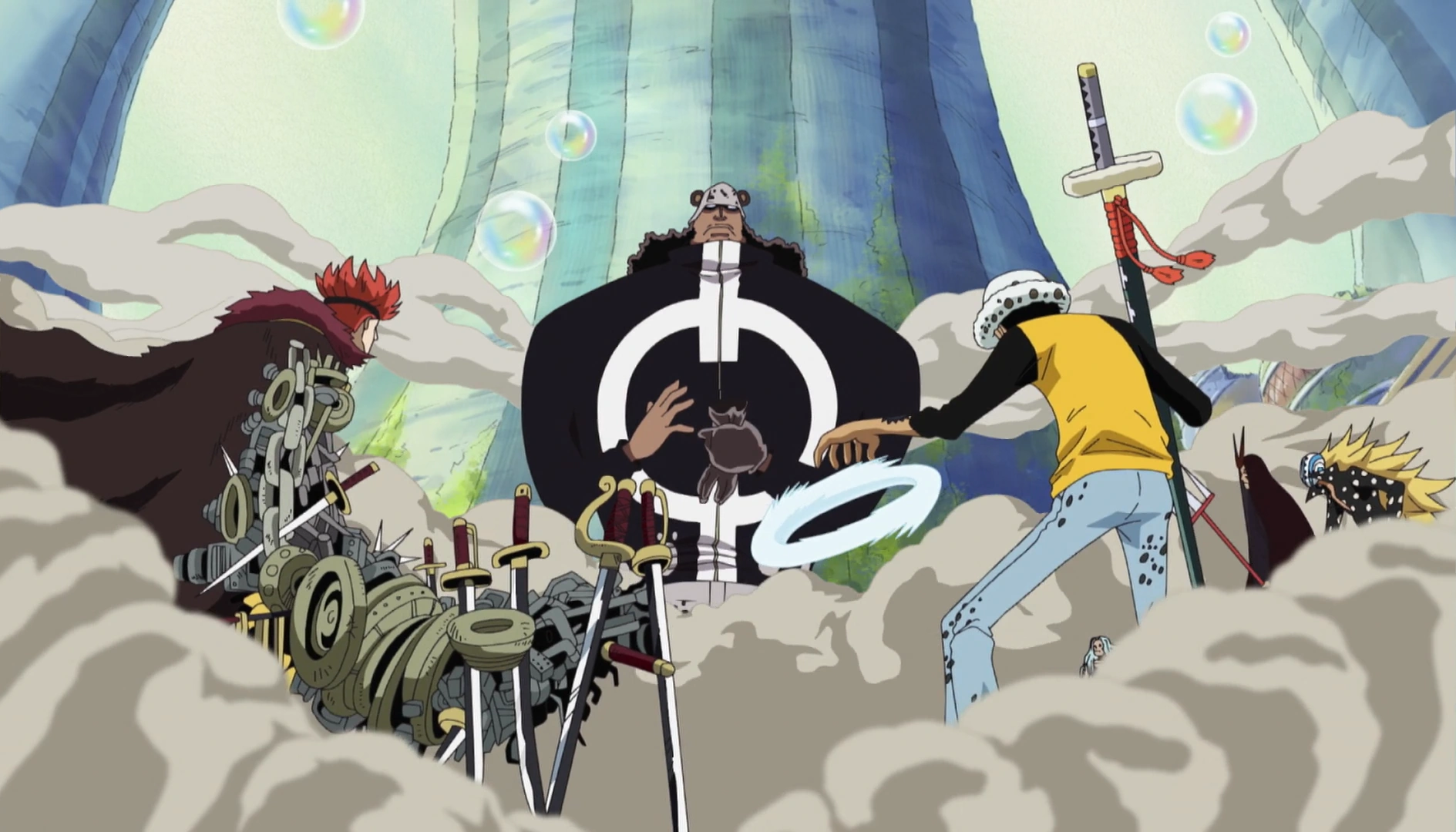
The last stop before the Grand Line's second half. Celestial Dragons, the Eleven Supernovas, and the moment the Straw Hat crew is taken apart.
Sabaody is short and it changes everything. The arc's function is to demonstrate, unambiguously, that the confidence the crew has been building for four hundred episodes is not enough, and it does so by having them lose completely to an opponent who is not even trying to kill them. Kuma removing each Straw Hat one by one while Luffy is powerless to stop it is the bleakest sequence in the series to that point, and the decision to end Part One on total defeat rather than victory is the single boldest structural choice Oda has made.
The Celestial Dragon material is the other half. Saint Charloss shooting a fish-man in a crowded auction house and the crowd doing nothing establishes the World Government's actual nature more effectively than any exposition could, and Luffy punching him is a decision with consequences that run through the next hundred chapters. The arc also introduces the Supernova generation as a cohort rather than as individual rivals, which pays off across the entire New World run. It ranks here because its brevity means the emotional weight is almost entirely front-loaded onto what it sets up, and the payoff belongs to Marineford.
#10: Egghead Arc
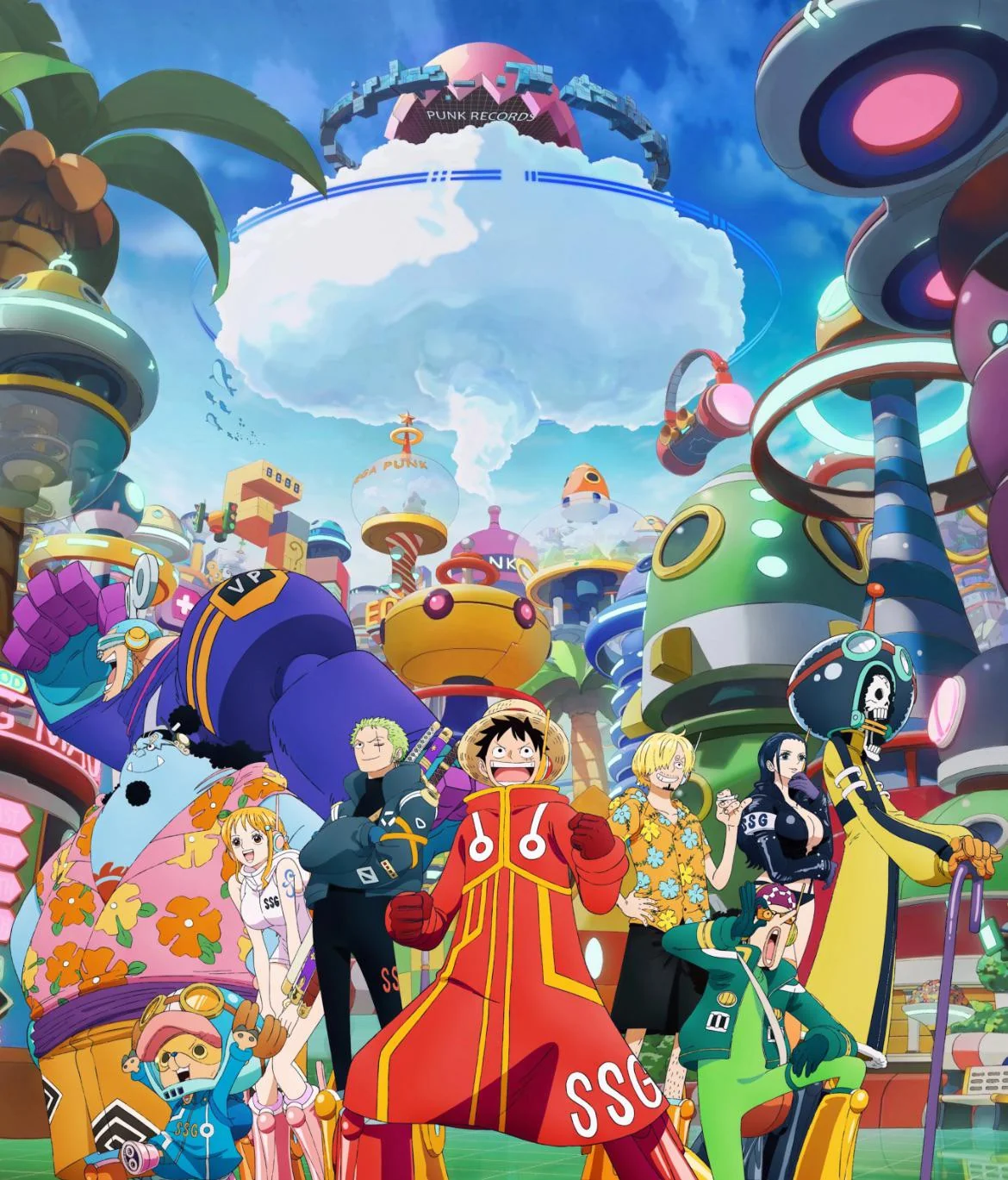
Egghead Arc
Anime: episodes 1089 to 1155 | Manga: chapters 1058 to 1125
The Future Island. Vegapunk's six satellites, the Seraphim, Bonney's history, and a broadcast the World Government cannot stop.
Egghead opens the Final Saga and carries the most consequential exposition in the series. Vegapunk's message, the Void Century, the fate of the ancient kingdom, and the confirmation that the world's sea levels have been rising all arrive here, and they arrive as a live broadcast the Gorosei are actively trying to cut, which is a far better delivery mechanism than a flashback would have been.
Kuma's flashback is the arc's genuine achievement and one of the two or three best in One Piece. The full account of his life, from Sorbet Kingdom to the Revolutionary Army to the moment he trades away his own mind for Bonney's cure, recontextualises every Kuma appearance since Thriller Bark and turns a character who had functioned as a plot device into the most quietly tragic figure in the series. His arrival at Egghead, running on nothing but a directive he set himself before losing everything else, is the best emotional beat of the Final Saga so far.
What holds it at #10 is unevenness elsewhere. The Seraphim material never becomes as interesting as its setup implies, the arc juggles more simultaneous threads than it fully services, and the Gorosei sequences are divisive for reasons that will depend on how the Final Saga resolves them. Strong ideas, uneven arc. Kizaru's role here is the most interesting an admiral has been given in years; the Marine admirals ranked post covers his standing.
#9: Dressrosa Arc
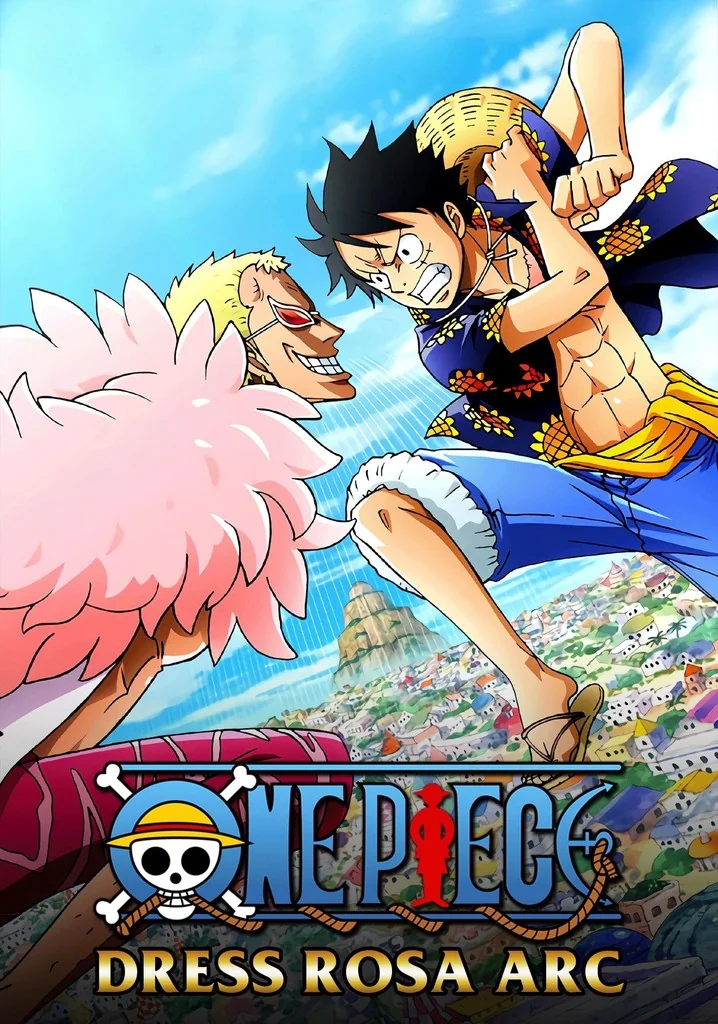
Dressrosa Arc
Anime: episodes 629 to 746 | Manga: chapters 700 to 801
A kingdom running on a national delusion. Doflamingo's rule, a toy population nobody remembers being human, and the Corazon flashback.
Dressrosa's central conceit is excellent. An entire country has forgotten the people it loved, because the people it loved have been turned into toys and the Hobi Hobi power erases them from memory as it does so, meaning the victims are erased while still present. Kyros standing in a palace where his own daughter does not know him is a horror premise executed with restraint, and Rebecca's arc through the Corrida Colosseum earns its resolution.
The Law and Corazon flashback is the best material in the arc and among the best in the series. Corazon's decision to feign muteness for years, the Ope Ope no Mi, and the final scene in the snow are constructed with a precision the surrounding arc does not maintain. It is also where Law stops being an ally of convenience and becomes a character the audience is invested in.
The structural problems are well documented. Dressrosa is the longest arc in the series at that point and runs an enormous number of simultaneous subplots, several of which (the Colosseum roster, the toy army, the Birdcage climb) consume far more space than they return. The anime adaptation is the slowest-paced stretch in One Piece, with individual sequences extended across multiple episodes. A top-five arc's worth of material inside a bloated container.
#8: Elbaf Arc (provisional)
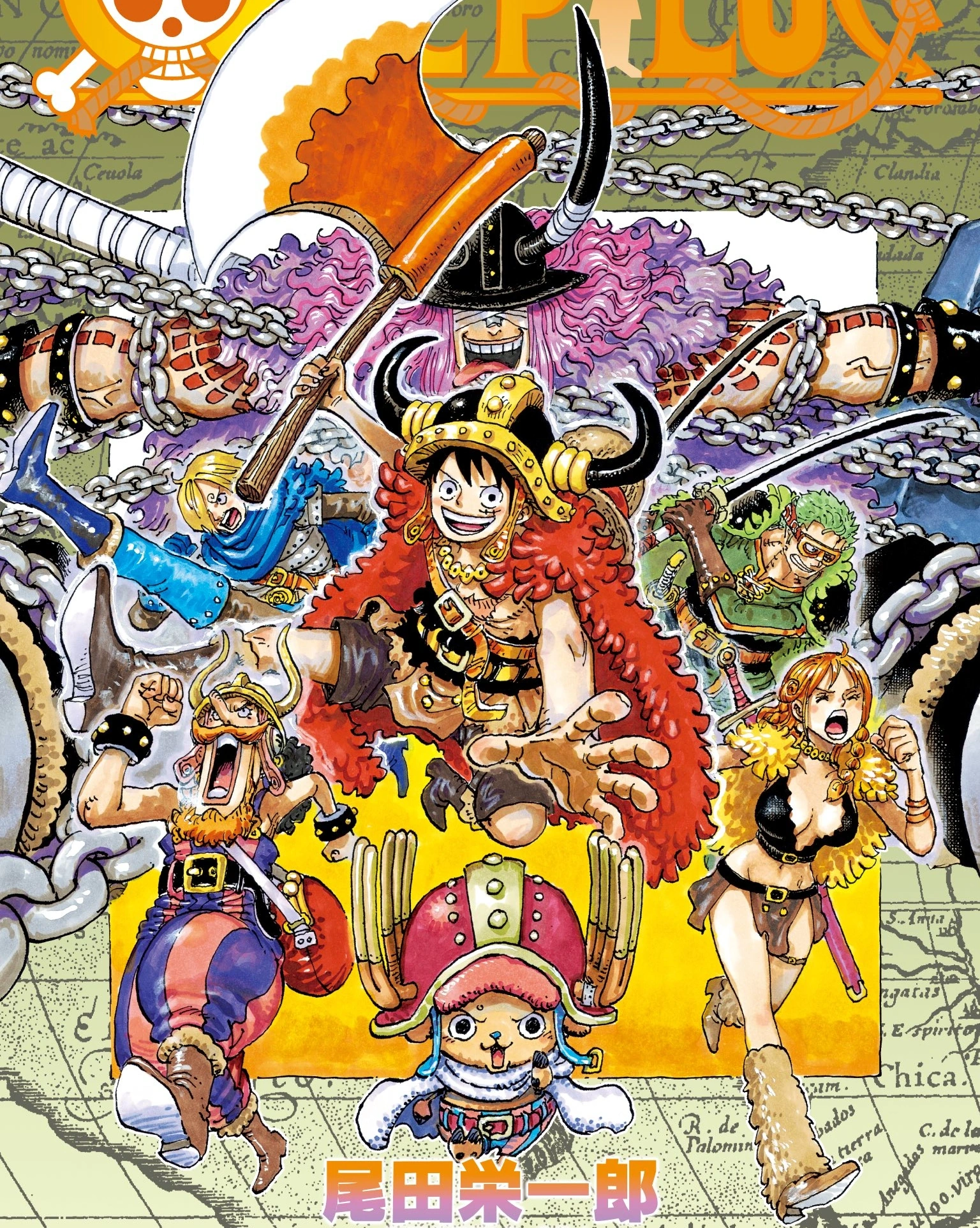
Elbaf Arc
Status: Ongoing. Manga chapters 1126 to past 1188 (roughly halfway). Anime from episode 1156, currently mid-Part 2 of a planned 26 episodes.
This ranking is provisional and should be treated as such. Elbaf is not finished. It is currently around fifty chapters deep and the manga is still weeks from resolving its central conflicts, which means any placement here is a judgement on an incomplete arc. It could finish higher than #8 or considerably lower depending on how the God Valley material and the Imu confrontation land. It is ranked rather than omitted because leaving out the arc the series is actively running would make the list less useful, not more honest.
What it has delivered so far is substantial. The giants' homeland has been referenced since Little Garden, roughly nine hundred chapters earlier, and the payoff on that promise has largely justified the wait. The God Valley incident, previously a single line of dated history, has been opened up into the event that connects Garp, Roger, Rocks, Kuma's lineage, and the current world order. Loki is the most interesting new character introduced in the Final Saga. The Imu material moves the series' final antagonist from an implied silhouette into direct confrontation with Luffy, which is the step the Final Saga has been building toward since Egghead.
The caution is that Elbaf is carrying an enormous amount of accumulated setup, and arcs in that position have a history of either landing exceptionally or buckling under the weight. The anime is also on a reduced schedule of roughly 26 episodes a year, which means the adaptation will trail the manga by a widening margin throughout. Provisional #8, with the honest note that this entry will need revisiting when the arc closes.
#7: Arlong Park Arc
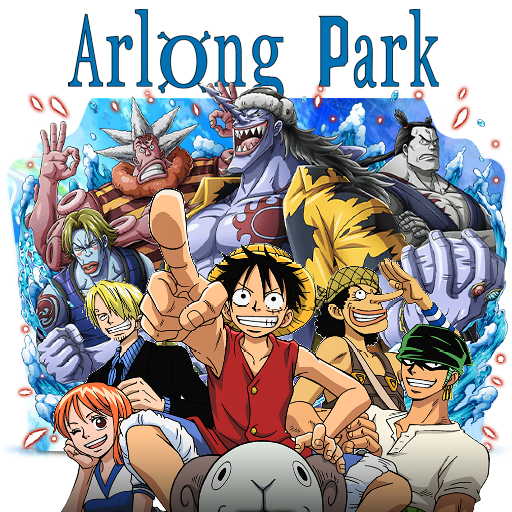
Arlong Park Arc
Anime: episodes 31 to 44 | Manga: chapters 69 to 95
Nami's village under fish-man occupation, eight years of buying back her own freedom one coin at a time, and the moment she finally asks for help.
Arlong Park is where One Piece establishes what it actually is. Everything before it is an adventure series with a likeable cast; this is the arc that demonstrates the series will commit fully to a character's interior life and let a story hurt. Nami's situation is constructed so that every apparent betrayal across the preceding arcs retroactively becomes an act of endurance, and the reveal is handled without a single line of self-pity from her.
Bellemere's death is the most economically written flashback in the series. A woman with almost no money chooses to die rather than deny two children who are not biologically hers, and the scene runs a few pages. The tattoo sequence, Nami stabbing her own shoulder while Genzo tries to stop her, is the emotional peak, and Luffy's response, saying nothing at all and putting his hat on her head, is the correct decision that a lesser series would have replaced with a speech.
Arlong himself is one of One Piece's better early antagonists because his supremacism is coherent from the inside and the arc refuses to make him sympathetic, saving that complexity for the fish-man material at Fish-Man Island later. Ranked at #7 rather than higher only because the scale is small and the animation is a product of 1999 television budgets.
#6: Alabasta Arc
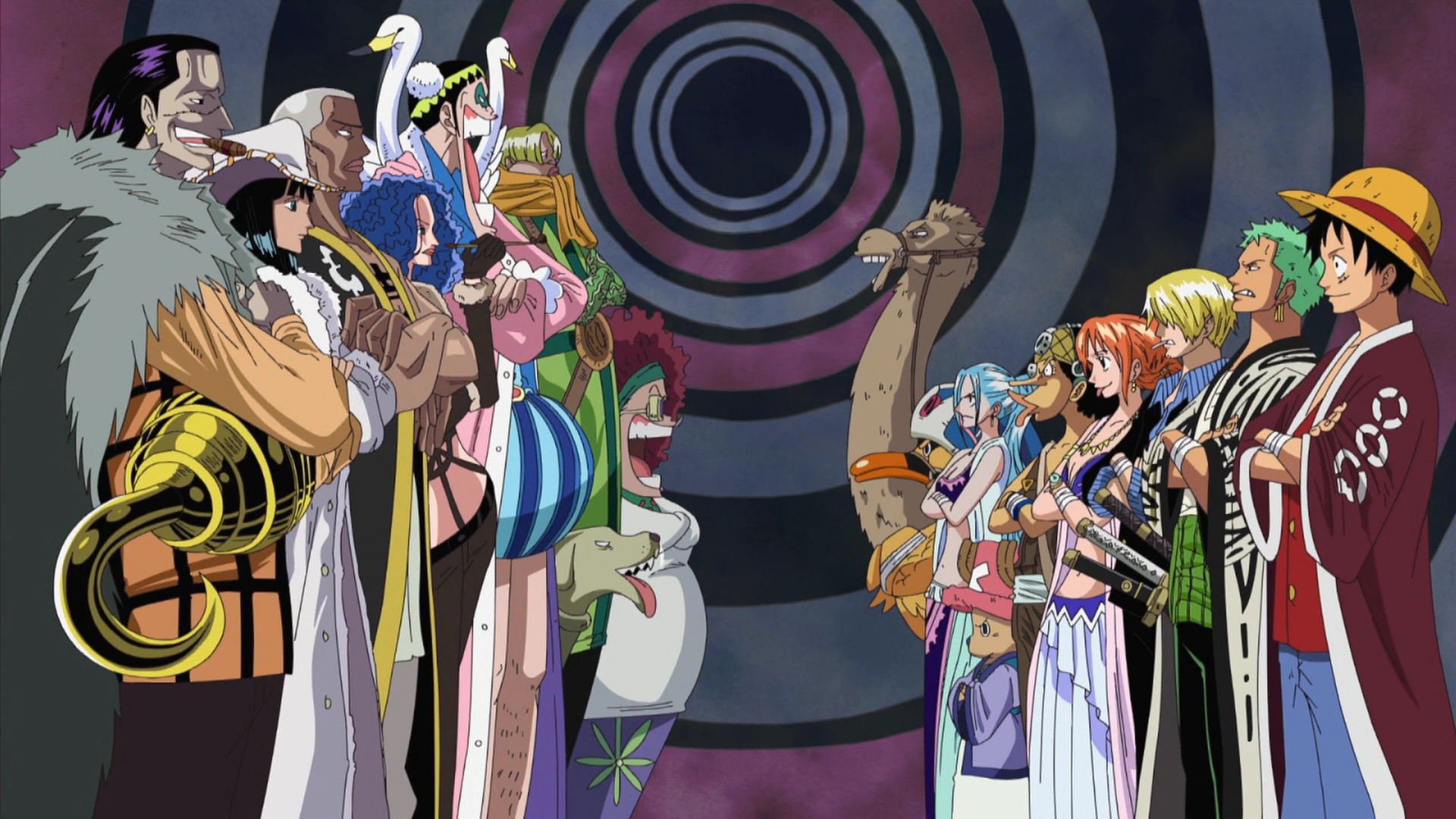
Alabasta Arc
Anime: episodes 92 to 130 | Manga: chapters 155 to 217
A desert kingdom pushed into civil war by a drought nobody can explain and a rebellion nobody can stop. Crocodile, Baroque Works, and Vivi trying to reach a million people before they kill each other.
Alabasta is the first arc where One Piece operates at national scale, and it handles the escalation better than most series manage on their first attempt. The manufactured civil war is a genuinely sophisticated antagonist plan: Crocodile does not need to defeat anyone, he needs a country to destroy itself while he is publicly seen protecting it. Vivi is the best non-crew character in the series and the arc gives her a real dilemma rather than a decorative one, culminating in her screaming at an army that will not hear her.
The Straw Hats each get a fight that is structurally meaningful rather than obligatory, and Luffy losing to Crocodile twice before winning is the arc's most important structural decision. The ending, the crew leaving without a spoken goodbye and raising their arms to show the X marks instead so Vivi is never publicly linked to pirates, is the best closing image in the pre-timeskip run.
It sits at #6 rather than top-three because the middle stretch is the most conventional material in the top ten, the Baroque Works agents vary considerably in quality, and the anime adaptation includes noticeable padding. For where Crocodile's Devil Fruit ranks among the series' logia and paramecia, see the strongest Devil Fruits ranked post.
#5: Whole Cake Island Arc
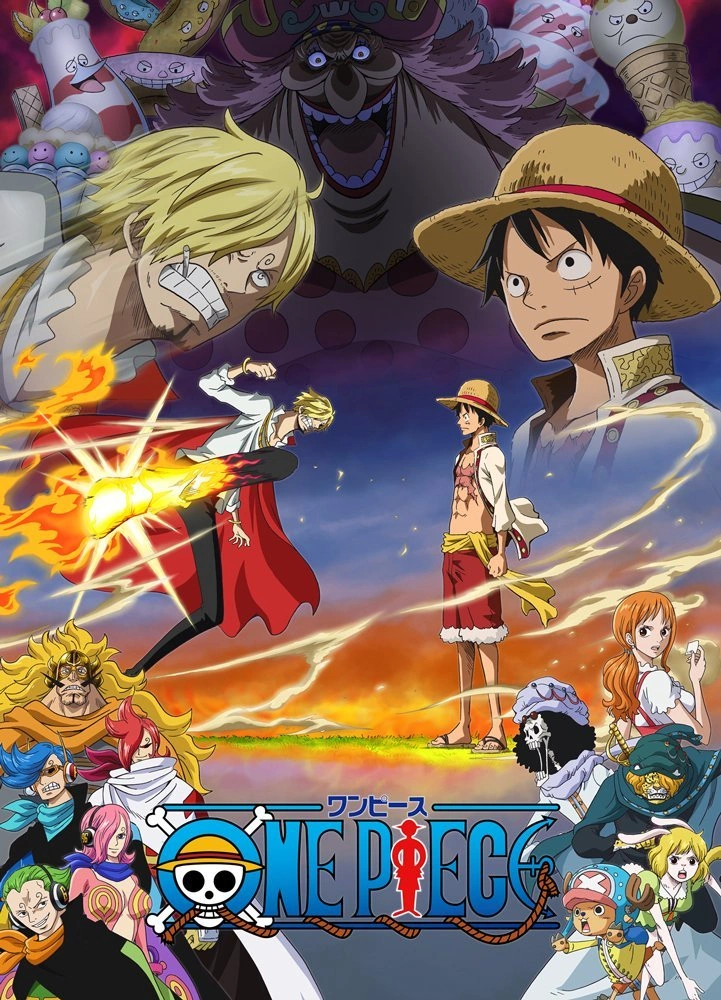
Whole Cake Island Arc
Anime: episodes 783 to 877 | Manga: chapters 825 to 902
Sanji is summoned back to the family he escaped and into an arranged marriage inside Big Mom's territory. The crew goes in to retrieve someone who has told them not to.
Whole Cake Island is the best character arc in One Piece. Sanji's material here reframes the whole character: the Vinsmoke family, the modifications he was born without, the cell where his sister brought him food, and the reason a man who will not let anyone go hungry was raised by people who let him starve. It connects directly back to the Zeff flashback from the Baratie arc nearly eight hundred episodes earlier, and the connection is exact rather than approximate.
The arc's structural strength is that Sanji's conflict cannot be solved by winning a fight. He is not being physically prevented from leaving; he is being held by an obligation to protect people who despise him, and Luffy's response, sitting down and refusing to eat until Sanji comes back, is a solution that only works because of who both characters are. The scene where Sanji beats Luffy in the street while Luffy refuses to fight back is the most uncomfortable and most effective sequence in the New World.
Big Mom is the most genuinely threatening Yonko encounter to that point, and the arc is smart enough to make the escape rather than the victory the objective. The pacing sags in the mirror-world middle section and the Germa material is underdeveloped relative to its setup, which keeps it at #5. Big Mom's standing among her peers is covered in the Yonko ranked post.
#4: Wano Country Arc
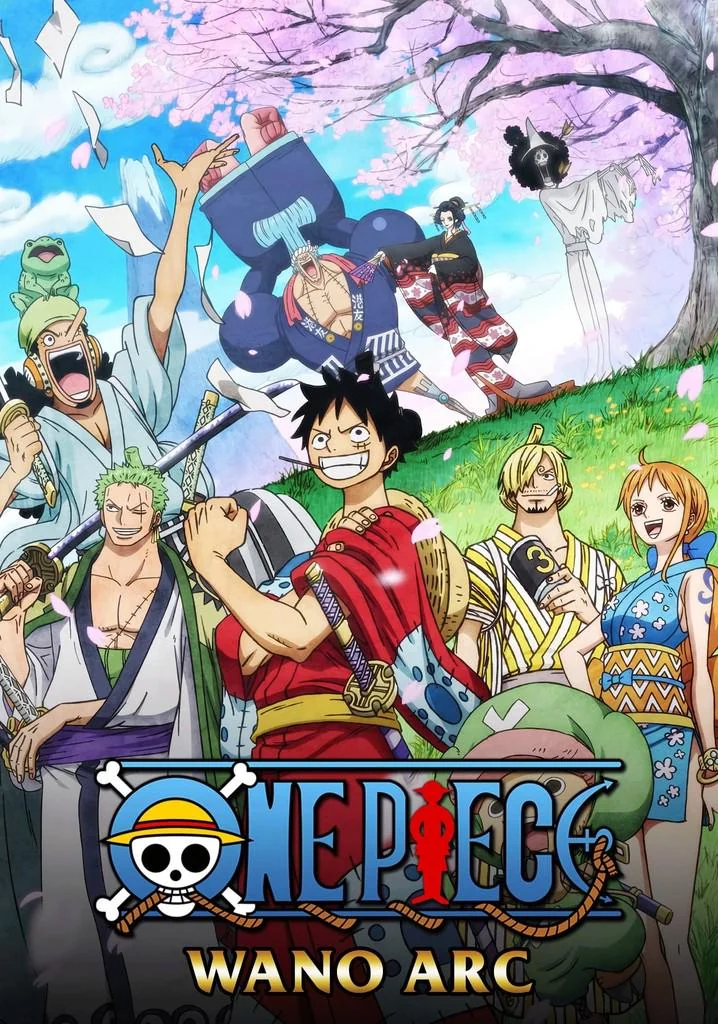
Wano Country Arc
Anime: episodes 890 to 1085 | Manga: chapters 909 to 1057
A closed country under Kaido and Orochi, twenty years after the execution of the man who tried to open it. The largest battle in the series and the payoff to setup running back to Water 7.
Wano is One Piece at maximum scale and it mostly earns it. The Oden flashback is the finest sustained sequence in the series: a man executed for a plan he could not explain, whose loyalty is mistaken for foolishness by everyone including the audience, and whose final act of standing in boiling oil to hold his retainers above it recontextualises the entire arc around him. It is also the clearest link between the current era and Roger's, and it lands the Laugh Tale material without deflating it.
The animation is the other achievement. Toei's production on the Onigashima raid, particularly episodes 1015 and 1071, is the best television animation One Piece has ever received and among the best in the medium. Gear 5's debut is the most-watched single moment in the series' broadcast history and the direction commits fully to how strange the concept is rather than softening it.
The criticisms are real. Wano runs 195 anime episodes and roughly 150 chapters, with a long middle in which the raid stalls and several allied fights are cut away from at the wrong moments. Several subplots (Kanjuro, the numbers, parts of the Beasts Pirates roster) consume space disproportionate to their payoff. It ranks #4 because its peaks are the highest in the series and its floor is lower than anything above it. Kaido's placement among the Emperors is covered in the Yonko ranked post.
#3: Water 7 Arc
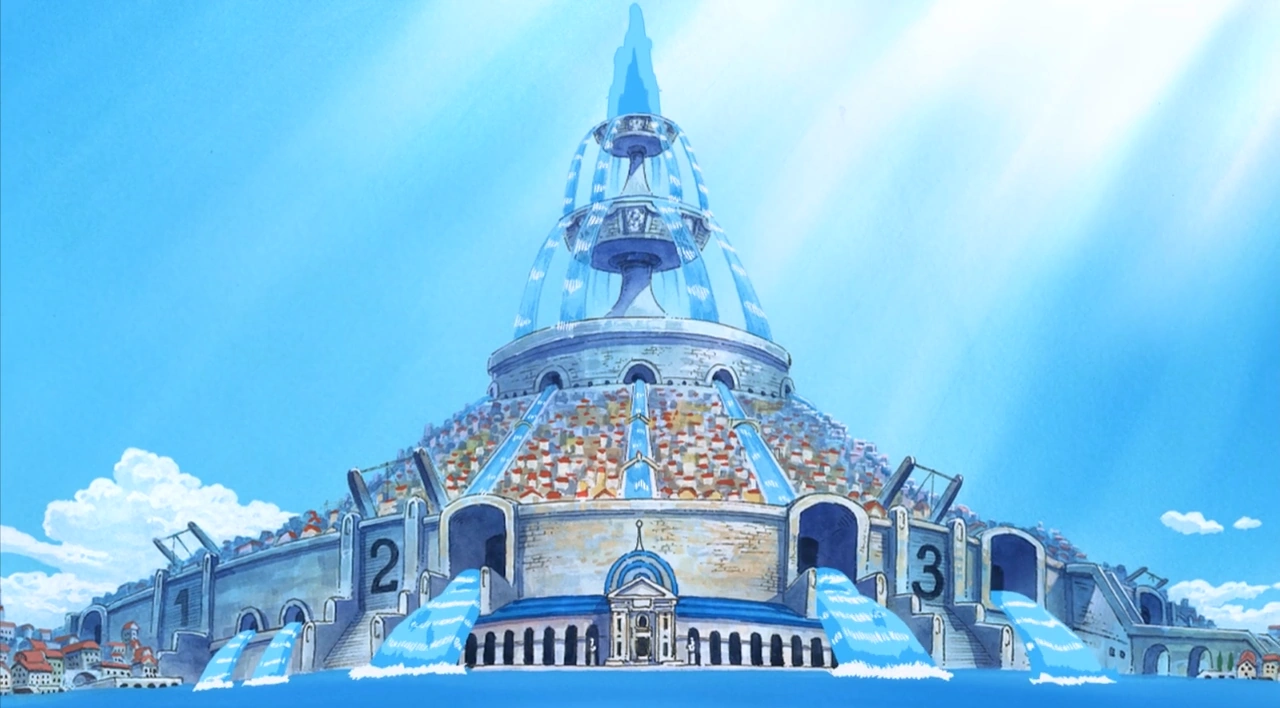
Water 7 Arc
Anime: episodes 229 to 263 | Manga: chapters 322 to 374
The crew arrives to repair the Going Merry and is told it cannot be saved. Robin disappears. Usopp leaves. Luffy fights him for the ship.
Water 7 is the most emotionally difficult arc in One Piece and the one that most completely justifies the crew as a construction rather than a convenience. It takes the found-family premise the series has been running on for three hundred episodes and asks what happens when the family disagrees about something neither side is wrong about. Usopp is not being unreasonable; the Merry genuinely carried them through every arc so far. Luffy is not being callous; the ship genuinely cannot make the next voyage. The arc refuses to resolve that by making one of them wrong.
The Usopp duel is the best-directed fight in the pre-timeskip series precisely because nobody wants it to happen and both participants fight to win. Robin's apparent betrayal, played straight for a long stretch before the reason surfaces, is the strongest use of dramatic irony in the run. Franky's introduction and the Tom's Workers backstory tie the shipwright material to Roger's era without straining.
Water 7 ranks above Wano and below Enies Lobby for the same reason: it is the setup half of a two-arc structure and it is nearly flawless at being that. The tension it builds is the fuel the arc above it runs on.
#2: Marineford Arc
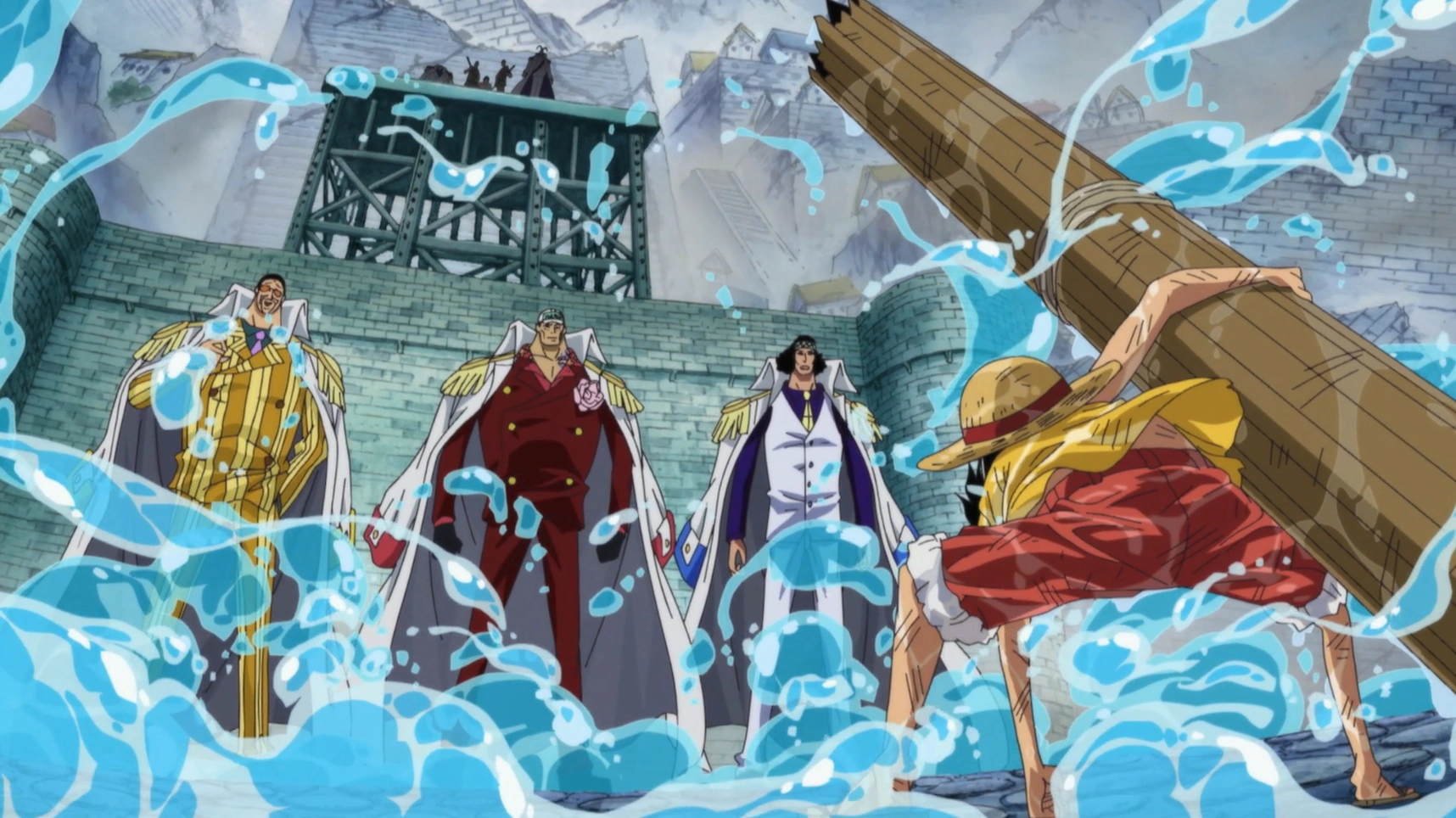
Marineford Arc
Anime: episodes 457 to 489 | Manga: chapters 550 to 580
The Whitebeard Pirates and the entire Marine command structure at the same location for Ace's execution. The war that ends the Golden Age's balance of power.
Marineford is the largest event in One Piece and the only arc where the series' full accumulated cast operates in one space. The scale is handled with unusual discipline: the arc never loses track of what Luffy is doing, and every faction present has a coherent objective. Whitebeard is the arc's centre and the series has rarely written anyone better, a dying man who spends his last hours ensuring his sons escape and his final words dismantling the World Government's entire strategy by confirming the One Piece exists.
Ace's death is the series' most consequential moment and the arc is constructed so that Luffy causes it by arriving. The sequence where Luffy shuts down entirely afterwards, and the series simply stops for a while, is a structural risk that pays off. Jinbei's intervention, telling him to count what he still has rather than what he lost, is the arc's actual thesis.
The reason it is #2 rather than #1 is that a significant share of its emotional weight is borrowed. Ace was built in Alabasta, Whitebeard across Jaya and Water 7, and the Marine command in Enies Lobby and Sabaody. Marineford spends that capital superbly and generates comparatively little of its own; Luffy is a passenger through much of it, carried by Ivankov, Jinbei, and Shanks in turn. It is the best spectacle in the series and the second-best arc. The admirals' roles here are covered in the Marine admirals ranked post, and Whitebeard's standing in the Yonko ranked post.
#1: Enies Lobby Arc
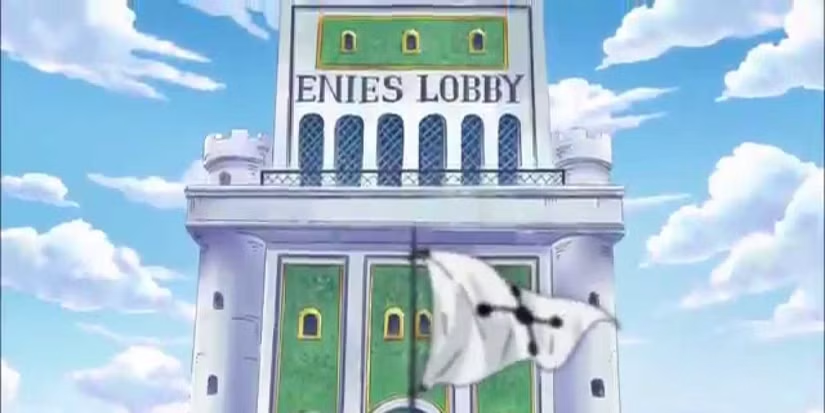
Enies Lobby Arc
Anime: episodes 264 to 312 | Manga: chapters 375 to 430
The crew assaults a government stronghold to retrieve one member who has decided she does not deserve to be retrieved. CP9, the Buster Call, and a burning flag.
Enies Lobby is the most completely constructed arc in One Piece. Every element in it was set up somewhere else and pays off here: Robin's death wish from Alabasta, the Ohara flashback answering why she cannot ask to be saved, Franky's Pluton blueprints from Water 7, Usopp's return in a mask everyone sees through and nobody mentions, and the Merry's final voyage.
Its central sequence is the best in the series. Robin has spent her life being told her existence is a crime, and the crew's response is to declare war on the World Government by burning its flag so she is forced to say out loud what she wants. Her answer, that she wants to live, is the payoff to roughly two hundred episodes of a character constructed specifically so that she could not say it. Nothing else in One Piece is built that precisely.
The arc also delivers on every structural front simultaneously. The CP9 fights are the best-distributed combat in the series, with each Straw Hat facing an opponent matched to what that character specifically needs to prove. Rob Lucci is the most effective antagonist of the pre-timeskip run because his ideology is a coherent inversion of Luffy's rather than a villain's rationalisation. Sanji's Sky Walk, Zoro against Kaku, and Franky changing sides are all earned rather than convenient.
Then the Going Merry arrives, breaking apart, having sailed itself into a Buster Call to reach a crew that had already left it behind, and apologises for not being able to carry them further. A ship's funeral in a shonen adventure series should not work. It is the best-written scene in One Piece.
The Marineford vs Enies Lobby debate
These are the two arcs that get proposed for first place and they are being judged on different things, so the comparison needs a criterion before it can be settled.
The case for Marineford is scale and consequence. It is the arc with the highest stakes, the widest cast, and the most permanent changes: Ace dies, Whitebeard dies, the Shichibukai system fractures, the balance of power that had held for decades collapses, and the world enters the New World era. No other arc alters the setting as fundamentally. It also contains the series' single most shocking moment, and the two-year timeskip that follows exists because of what happens here.
The case for Enies Lobby is construction. It is the arc where the highest proportion of its own material is set up, developed, and resolved inside the story One Piece was already telling. Robin's arc runs from her introduction as an antagonist in Alabasta through her betrayal in Water 7 to her declaration at Enies Lobby, and every step is deliberate. The Merry's death is seeded from episode one. The CP9 fights each resolve a specific thread. Nothing in the arc is imported.
The position this ranking takes is that Enies Lobby is the better arc, and the reason is that Marineford's weight is largely inherited. Strip out what Alabasta did for Ace, what Jaya and Water 7 did for Whitebeard, and what Sabaody did for the Marines, and Marineford is a spectacular battle with a shocking ending. Do the same to Enies Lobby and it barely changes, because Enies Lobby did its own setup within its own saga and then spent it.
There is also a difference in what the two arcs ask of their protagonist. Luffy at Marineford is carried: by Ivankov's hormones, by Jinbei's body, by Shanks arriving to end the war. He fails at the only thing he came to do. Luffy at Enies Lobby makes the decisions the arc turns on, declares war on the World Government on his own authority, and gets Robin back. Marineford is the better thing to watch. Enies Lobby is the better story, and on story construction as the criterion, it takes first.
Anime saga and season timeline
| Saga | Approx. episodes | Arcs covered | |------|------------------|--------------| | East Blue | 1 to 61 | Romance Dawn, Orange Town, Syrup Village, Baratie, Arlong Park, Loguetown | | Alabasta | 62 to 135 | Reverse Mountain, Whisky Peak, Little Garden, Drum Island, Alabasta | | Sky Island | 136 to 206 | Jaya, Skypiea | | Water 7 | 207 to 325 | Long Ring Long Land, Water 7, Enies Lobby, Post-Enies Lobby | | Thriller Bark | 326 to 384 | Thriller Bark | | Summit War | 385 to 516 | Sabaody Archipelago, Amazon Lily, Impel Down, Marineford, Post-War, Return to Sabaody | | Fish-Man Island | 517 to 574 | Fish-Man Island | | Dressrosa | 575 to 746 | Punk Hazard, Dressrosa | | Whole Cake Island | 747 to 889 | Zou, Whole Cake Island, Reverie | | Wano Country | 890 to 1085 | Wano Country | | Final Saga | 1086 to present | Egghead, Elbaf (ongoing) |
Episode boundaries are approximate; sources vary slightly on where sagas are cut. Bolded arcs are the 18 ranked above.
As of September 2026 the anime is around episode 1177, part-way through the second cour of the Elbaf Arc, which is planned at 26 episodes across two parts. One Piece moved to a reduced schedule of roughly 26 episodes per year in 2026, down from the 40 to 50 it previously ran, so the gap between anime and manga will continue to widen through the Final Saga.
Closing
One Piece's arc quality is less consistent than its reputation suggests, and that is a function of length rather than decline. The series has produced the weakest major arc in modern shonen (Fish-Man Island) and the best-constructed one (Enies Lobby) within about a hundred chapters of each other. What holds across almost all of them is that the setup is real: material planted in East Blue pays off in Whole Cake Island eight hundred episodes later, and the Elbaf arc currently running is cashing in promises made at Little Garden in 1998.
The ranking above is a story-quality ranking and deliberately avoids power scaling. For the arguments that do turn on strength, the One Piece cluster covers them properly: every Devil Fruit ranked by power, the Marine admirals ranked, the Yonko ranked, and the Straw Hat crew ranked.
If the arcs above have you looking at what the bounties in them actually signify, every One Piece bounty explained covers the full progression and what each poster is worth to collectors.
More from the blog
Get new anime collector posts in your inbox.
Reviews, guides, and hobby news — delivered directly.
By subscribing, you agree to our Privacy Policy.