


Every JJK Special Grade Sorcerer, Ranked (Jujutsu Kaisen)
Spoiler Warning
This post ranks based on the completed JJK manga (including the Shinjuku Showdown arc). If you are only anime-caught-up, some of these characters and outcomes are anime-unaired. Come back after the final season.
Jujutsu Kaisen's grade system runs from Grade 4 (novice) up to Special Grade (the top tier). Special Grade sorcerers are effectively the top one percent of jujutsu practitioners: capable of exorcising Special Grade cursed spirits and powerful enough to shift the political balance of the sorcery world. Only a handful of sorcerers across recorded history have held the designation.
This ranking uses combat strength across the entire manga run, not paper rank. Several characters here were technically Grade 1 or unranked on paper while performing at Special Grade level in practice. The tier reflects what they can actually do in combat, not what Jujutsu High's administration certified.
TL;DR
| Rank | Sorcerer | Key Technique | |------|----------|---------------| | #10 | Maki Zenin | Heavenly Restriction (zero cursed energy, superhuman physical output) | | #9 | Aoi Todo | Boogie Woogie | | #8 | Higuruma Hiromi | Idle Death Gamble (Judgeman) | | #7 | Nanami Kento | Ratio Technique | | #6 | Kashimo | Mythical Beast Amber | | #5 | Choso | Blood Manipulation | | #4 | Megumi Fushiguro | Ten Shadows Technique | | #3 | Yuji Itadori | Black Flash, Blood Manipulation, raw output | | #2 | Yuta Okkotsu | Copy + Rika | | #1 | Gojo vs Sukuna (see below) | Limitless / Malevolent Shrine |
#10: Maki Zenin
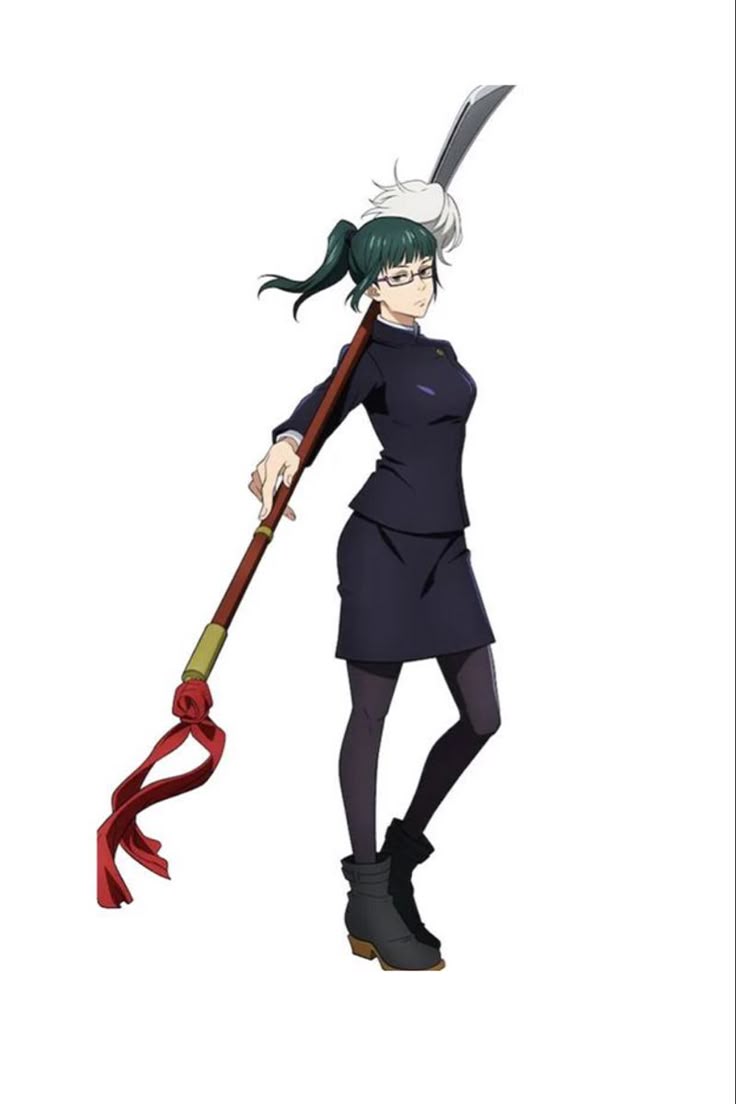
Maki Zenin
Technique: None. Heavenly Restriction instead.
Maki has zero cursed energy. In a power system built entirely around cursed energy, that should be a death sentence. It is the opposite. Heavenly Restriction trades cursed energy for a body operating at the absolute physical peak, then beyond it. After her clan massacre awakening in the Zenin compound, Maki reached a tier where she can kill Special Grade cursed spirits and trained sorcerers with pure physical force and no cursed energy reinforcement at all.
No technique. No domain. No cursed energy. All raw output. She is the proof that Heavenly Restriction is not a handicap in JJK but an alternative power scaling axis: the system rewards it as heavily as any innate technique.
#9: Aoi Todo
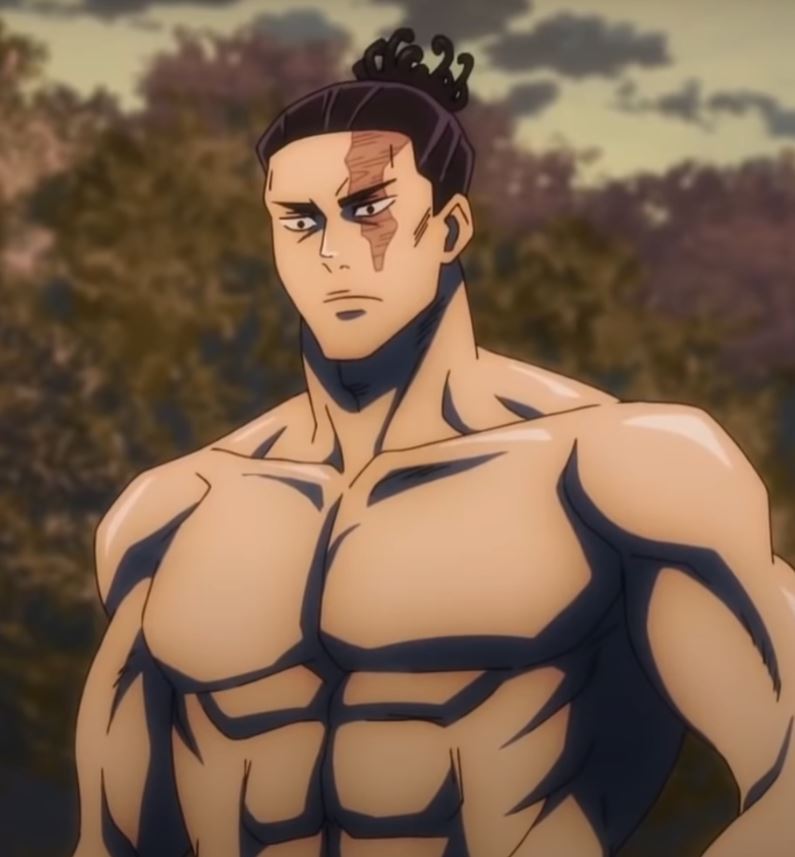
Aoi Todo
Technique: Boogie Woogie
Boogie Woogie swaps the positions of any two objects with cursed energy above a threshold whenever Todo claps. Simple on paper, absolutely disorienting in practice. Todo's tactical ceiling comes from understanding that positional control reshapes every fight it touches. An opponent who cannot predict where Todo (or they) will be next is already losing the information war.
Todo is also a Black Flash specialist and an elite hand-to-hand fighter. He lost an arm in Shibuya protecting Yuji, which cost him his technique's full effectiveness. Even diminished, he remains a serious threat. The intelligence he brings to any fight justifies this ranking over sorcerers with more dramatic techniques and lower tactical ceilings.
#8: Higuruma Hiromi

Higuruma Hiromi
Technique: Idle Death Gamble (Judgeman)
Higuruma's domain is one of the most conceptually dangerous in the series. Idle Death Gamble summons Judgeman, a shikigami bound by the logic of the Japanese court system. If Judgeman finds the target guilty of a named crime, the domain strips their cursed technique permanently: the effect carries outside the domain, and there is no recovery.
The binding vow mechanics (Higuruma must name a specific crime; procedural constraints apply to both sides) prevent it from being trivially overpowered. But the ceiling is extraordinary. A Special Grade sorcerer without their technique is far easier to kill by conventional means. Higuruma's open-combat pedigree is more limited, which keeps him at eight rather than higher.
The JJK Domain Expansions ranked post covers Idle Death Gamble in full detail, including how the binding vow shapes the fight dynamics.
#7: Nanami Kento
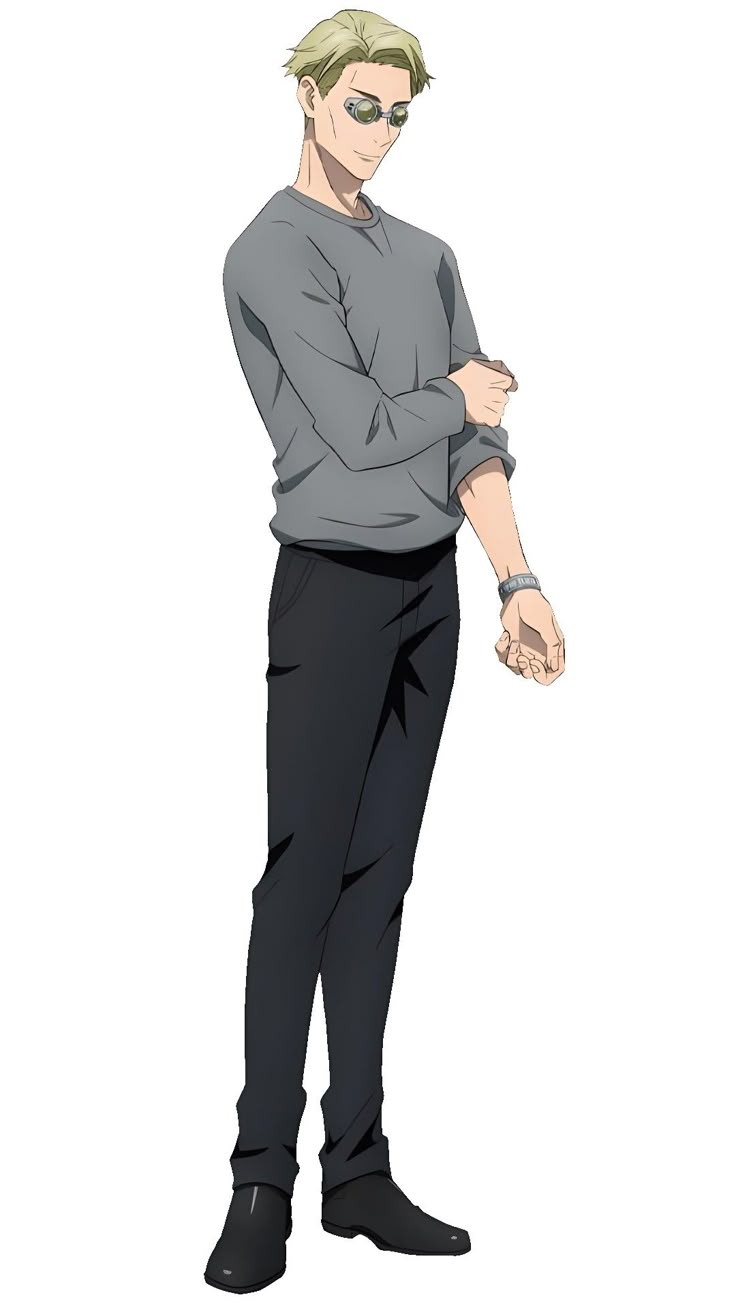
Nanami Kento
Technique: Ratio Technique
Ratio Technique divides any target into a 7:3 proportion and forces a critical hit at the intersection point. Against targets without a meaningful counter, it is efficient and clinical: every strike lands harder than it has any right to. Nanami extended this with Overtime, a binding vow that boosts his output during working hours in exchange for accepting that constraint.
Nanami died in Shibuya. Every fight before that point was a demonstration of what a technically precise, tactically composed sorcerer looks like in practice. No flashy power spikes. No emotional disruptions. Just correct decisions at every step until the situation became unsurvivable. The boring efficient adult sorcerer is a compelling archetype in JJK precisely because the series makes it credible at Grade 1 borders on Special Grade.
#6: Kashimo
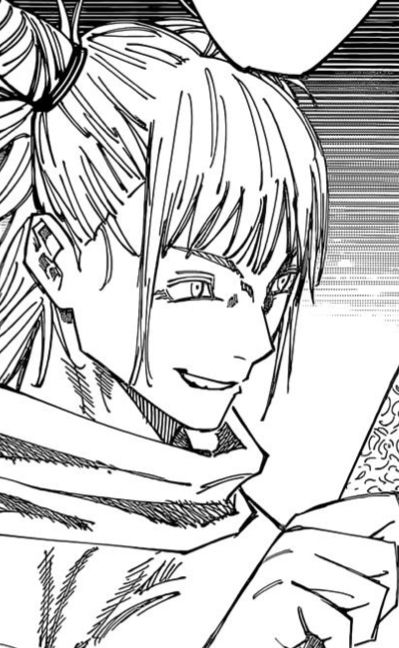
Kashimo Hajime
Technique: Mythical Beast Amber
Kashimo is a 400-year-old sorcerer who preserved himself in the Culling Game for a single purpose: fighting Sukuna. Mythical Beast Amber is an electricity and insect-swarm hybrid technique. Kashimo generates high-voltage electrical discharge and manipulates it through his own body as both a weapon and movement tool.
He is the strongest Culling Game participant outside Sukuna and Yuta. His solo fight against Sukuna is the clearest single-combat benchmark from that arc. Kashimo landed meaningful hits, lasted longer than any other non-Yuta combatant in a direct exchange with Sukuna, and forced Sukuna to activate his true four-armed form to finish the fight. That performance places him above most of this list on raw combat output.
#5: Choso
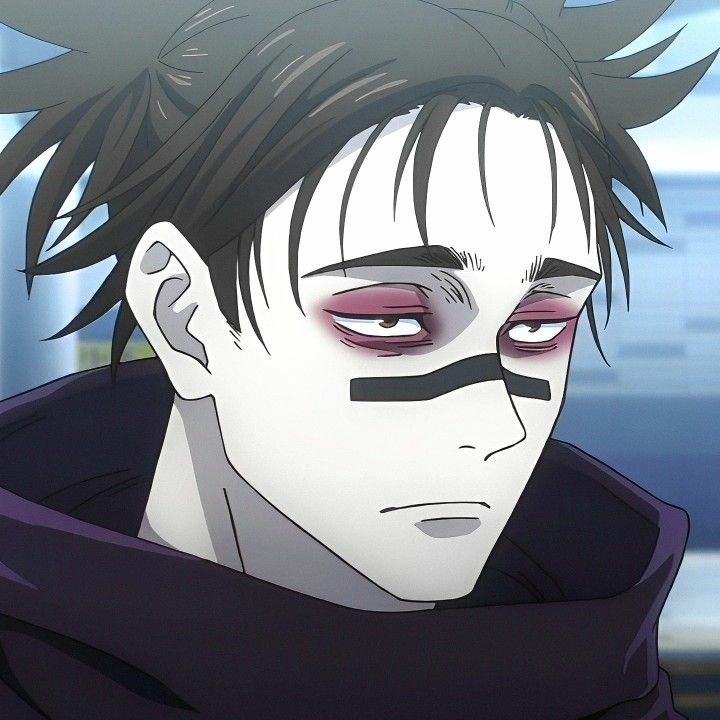
Choso
Technique: Blood Manipulation
Choso is one of nine Death Painting Wombs: half-human, half-cursed spirit hybrids created through Kenjaku's manipulation of human cursed spirits. Blood Manipulation allows him to control the temperature, viscosity, shape, and velocity of blood at will. Piercing Blood in particular is a long-range technique with speed that outstrips most reaction windows and enough force to pierce through most defences.
What sets Choso apart from a standard Blood Manipulation user is volume: he can externalise his own blood without depleting it at the same rate a normal person would, and he can configure it into multiple attacks simultaneously. After Shibuya he became a genuine battlefield asset in the final arc, and his connection to Yuji via Kenjaku's paternal manipulation adds context without inflating his combat ceiling.
#4: Megumi Fushiguro
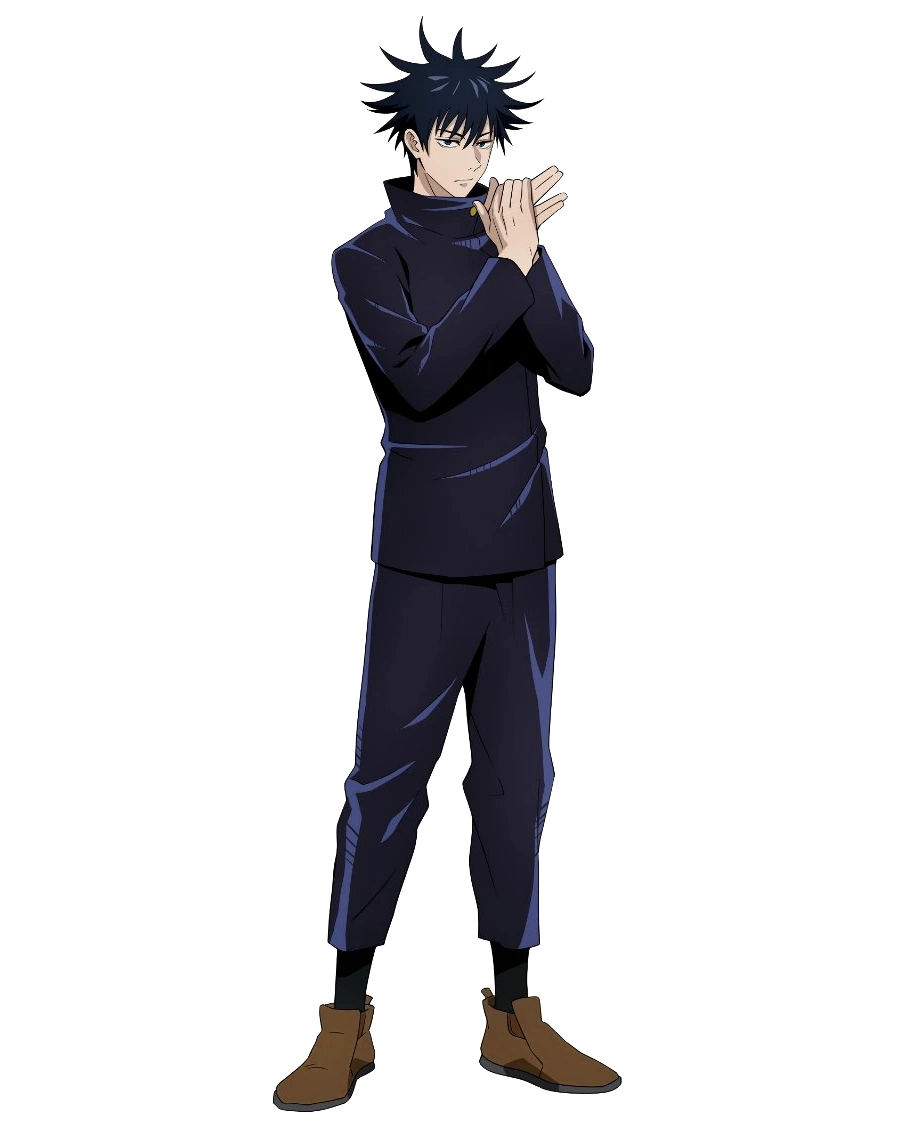
Megumi Fushiguro
Technique: Ten Shadows Technique
Ten Shadows is the Zenin clan's hereditary Special Grade technique. It allows the user to summon up to ten shikigami, each tamed through one-on-one combat. The strongest shikigami (Mahoraga) is so dangerous that no Ten Shadows user in recorded history had successfully tamed it. Megumi summoned it as a last resort against Haruta Shigemo, accepting that the summon would likely kill him alongside his target.
Chimera Shadow Garden (Megumi's incomplete domain) applies a sure-hit effect without a guaranteed-hit technique baked in. Alone that is a significant weakness compared to domains that carry their technique inside. But Ten Shadows compensates with flexibility: multiple shikigami, shadow manipulation for movement and concealment, and the theoretical ceiling of a fully-tamed Mahoraga that most opponents have no prepared counter for.
Post-Shinjuku, Megumi's status is complicated by the events of that arc. At peak, before the possession complications introduced during Shinjuku, he sits at four.
#3: Yuji Itadori

Yuji Itadori
Technique: Blood Manipulation (inherited), Divergent Fist, Black Flash
Yuji started the series with exceptional physical ability and no innate technique. Sukuna's possession gave him the cursed energy infrastructure to become a functioning sorcerer. By the final arc he holds the record for consecutive Black Flashes: seven in a row during the Prison Realm battle. Landing even one Black Flash requires a kind of intuitive cursed energy synchronisation that most Grade 1 sorcerers never achieve reliably.
Via Choso's blood transfusion, Yuji inherited partial Blood Manipulation. Divergent Fist creates a delayed internal shock after impact by slightly lagging his cursed energy output relative to the strike. The combination of extraordinary physical output, the highest recorded Black Flash frequency, and two distinct cursed techniques places him above sorcerers who are technically superior but cannot match his raw exchange rate.
He is not the highest-ceiling sorcerer on this list. He is the one you least want to fight in a straight physical exchange with no preparation time.
#2: Yuta Okkotsu

Yuta Okkotsu
Technique: Copy
Copy replicates any cursed technique Yuta has been exposed to and stores it for later use. Rika (the Queen of Curses, documented as the most powerful cursed spirit at the time of JJK0) amplifies his cursed energy output to a level that makes this sustainable across extended fights. By the final arc, Yuta's copied catalogue includes techniques that would individually place him at Special Grade if he used any one of them exclusively.
Yuta also has Reverse Cursed Technique mastery, a skill so rare that most sorcerers never learn it at all. He can heal himself mid-combat, which extends his effective fight duration against any opponent who needs time to work through his layers of defence.
The manga is explicit on his placement: Yuta is Gojo's designated successor tier. Gojo said so directly. By the end of the Shinjuku Showdown arc, Yuta is unambiguously the strongest living sorcerer.
#1: Satoru Gojo vs Ryomen Sukuna
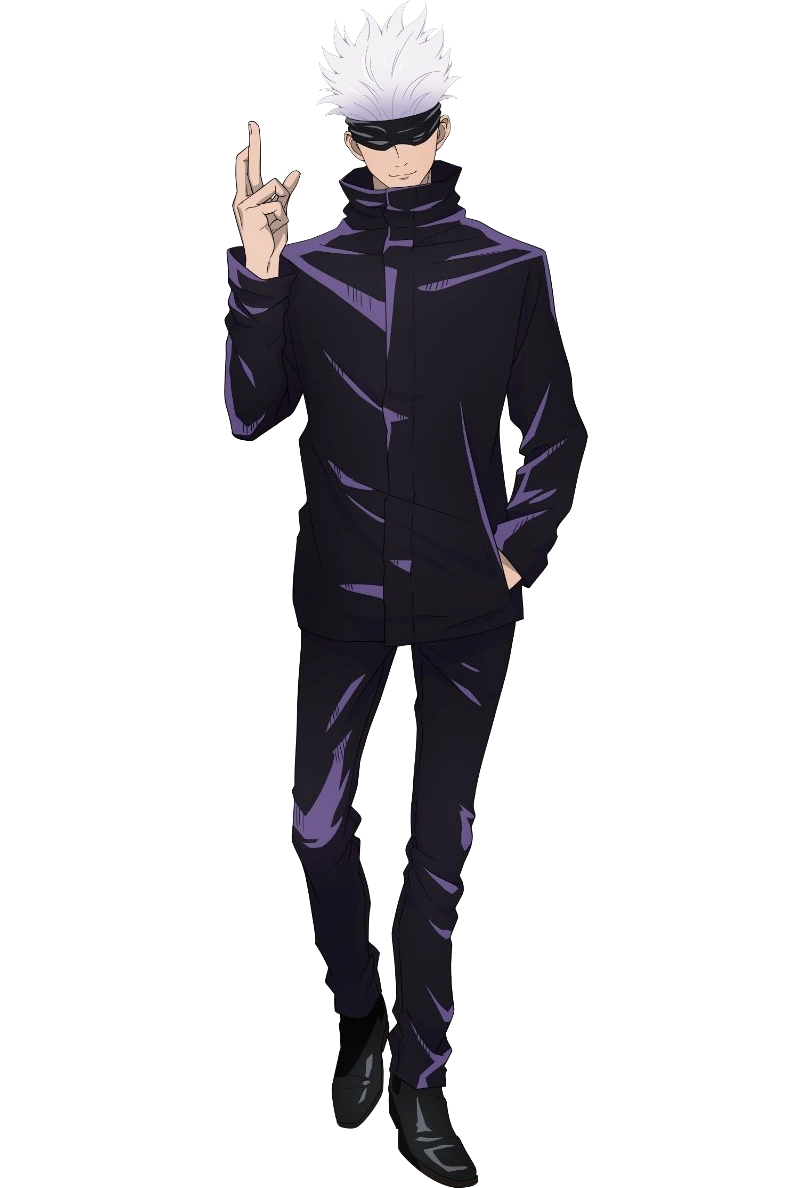
Satoru Gojo
Technique: Limitless (Infinity, Blue, Red, Purple) + Six Eyes
Gojo's Infinity converts the space between him and any incoming attack into a mathematically infinite series of subdivisions. In theory, nothing reaches him. In practice, domain expansion with a guaranteed-hit technique is the established counter: sure-hit attacks bypass physical space constraints. Gojo's Unlimited Void domain is the most complete answer to other domains in the series, overwhelming the target with infinite simultaneous information input until they cannot function.
Six Eyes reduce his cursed energy consumption to near-zero. Techniques that would exhaust any other sorcerer in minutes are sustainable indefinitely. The combination of an impenetrable passive defence, an overwhelming domain, and near-infinite fuel is the strongest individual combat package in the series on paper.
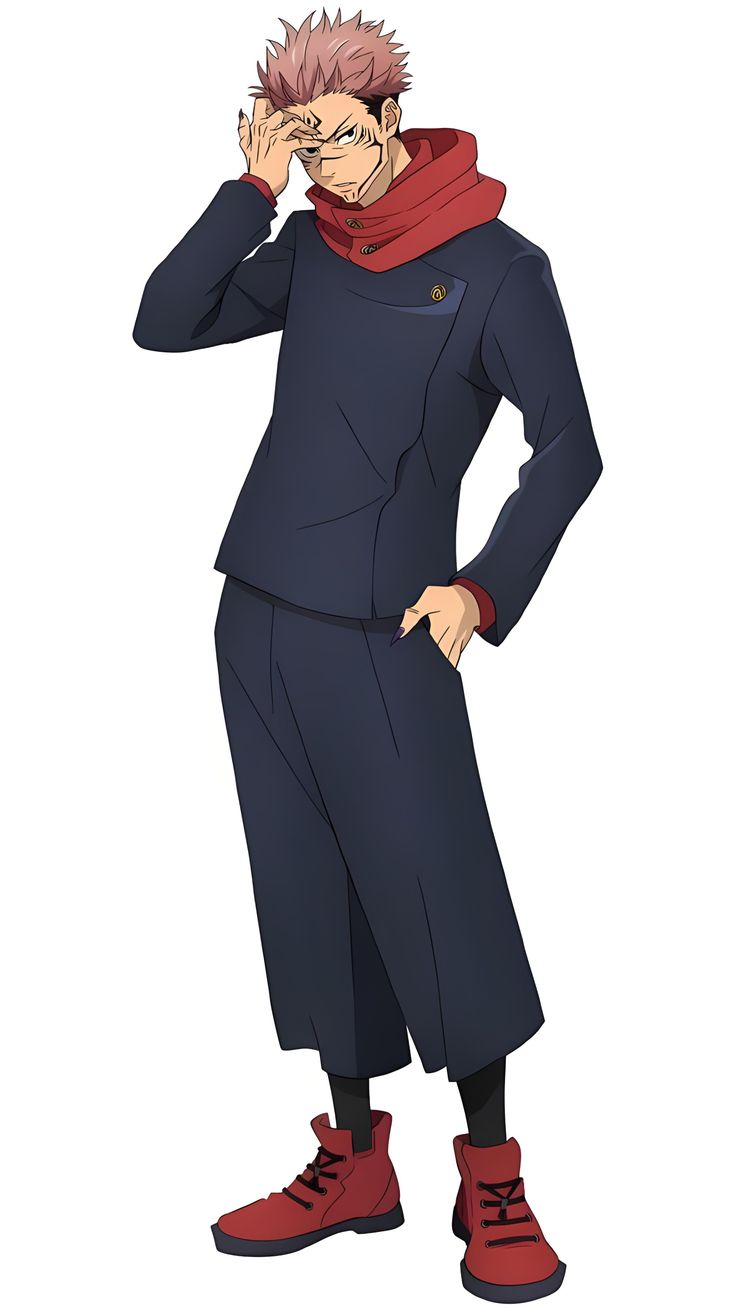
Ryomen Sukuna
Technique: Malevolent Shrine, Fuga, Ten Shadows (via Megumi)
Sukuna is the King of Curses. Malevolent Shrine is an open-domain expansion (binding vow: no barrier in exchange for a wider effective range) with a sure-hit slash that hits everything within its radius except targets Sukuna explicitly designates as safe. Fuga is a unique slashing technique capable of curving and adapting its trajectory mid-flight. In the Shinjuku Showdown, Sukuna deployed both alongside Ten Shadows shikigami inherited via Megumi's body.
The ceiling argument for Sukuna is concrete: he won. He found a methodical path to breaking Infinity, something the entire sorcery world considered impossible. The win required significant resources and multiple domain exchanges to set up, but it was methodical, not circumstantial. He is the reason Yuta is the strongest living sorcerer at the end of the series rather than Gojo.
The Gojo vs Sukuna resolution
The Shinjuku fight is the definitive canon answer. Gojo won the first domain clash outright (Unlimited Void against Malevolent Shrine). Sukuna survived via Reverse Cursed Technique healing, then forced Gojo into repeated exchanges until Mahoraga had accumulated enough exposure to Infinity to begin adapting. Once Mahoraga adapted, Sukuna combined Fuga's adaptive trajectory with Malevolent Shrine's sure-hit radius to get through. Gojo was killed.
The case for Gojo: Infinity in its true unlimited application is theoretically unbreakable by any fixed attack. Sukuna needed an entire external adaptation mechanism (Mahoraga) and multiple domain cycles to find a crack. That is not a clean win. It is a win with prerequisites that no other character in the series possesses.
The case for Sukuna: he found the crack. Theoretical unbreakability only matters if no one can break it. Sukuna proved they could, through legitimate technique use with no external interference or luck involved. The outcome of the fight is the outcome.
The more defensible position: Sukuna was the stronger combatant in aggregate terms. Gojo's Infinity is the hardest single defensive tool in the series. His domain is among the two or three most complete. But Sukuna's adaptability via Ten Shadows, his ability to deploy Mahoraga as a deliberate combat asset rather than a desperation summon, and the combined breadth of Shrine, Fuga, and shikigami gave him more concrete routes to a win condition. Gojo's peak ceiling may be higher in a sealed defensive scenario where the fight never progresses. Sukuna's combat ceiling is higher when both parties are actively trying to kill each other and the fight runs to a conclusion.
The Shinjuku result stands.
What "Special Grade" actually means
Grade classification is not a direct combat power measurement. The formal system grades sorcerers by the class of cursed spirit they can safely exorcise solo. A sorcerer who can handle Special Grade cursed spirits is Special Grade. One who handles Grade 1 spirits reliably is Grade 1. And so on.
This creates a visible gap between paper rank and practical ability. Yuji and Megumi were classified below Special Grade for most of the series despite clearly performing at that tier in actual fights. The system reflects institutional assessment under managed conditions, not peak performance in life-or-death situations with full output.
This ranking uses actual combat capability across the full manga run. Paper rank is noted where it creates a meaningful contrast, but it does not determine placement here.
Coming next: character deep-dives
This post is the head post in the JJK cluster. Individual character deep-dives on Gojo, Sukuna, Yuta, and Megumi will follow, each going deeper on technique mechanics, fight history, and how their power development tracks across the series. This post establishes the tier baseline. The deep-dives are where the detail lives.
If JJK is on your watchlist and you want the full series context, the best completed anime to binge-watch guide covers where it sits relative to other finales worth committing to.
Closing
Jujutsu Kaisen's power system is one of the most technically designed in modern shonen. Sorcerer strength and domain strength are related but not identical: a sorcerer with a weaker domain can be more dangerous in open combat than their domain ranking suggests, and a powerful domain does not automatically translate to a well-rounded fighter.
The JJK Domain Expansions ranked post covers the domains themselves: mechanics, binding vows, ceiling, and where each ranks purely on domain quality rather than the sorcerer wielding it. Cross-referencing both posts gives the clearest picture of how JJK's top tier actually functions when it comes to designing a fight.
More from the blog
Get new anime collector posts in your inbox.
Reviews, guides, and hobby news — delivered directly.
By subscribing, you agree to our Privacy Policy.