


Every Demon Slayer Arc, Ranked (Anime + Manga Complete List)
Spoiler Warning
This post ranks the complete Demon Slayer manga run (including the Sunrise Countdown finale) and discusses arc outcomes. If you are only anime-caught-up, the Infinity Castle Arc onward may spoil unaired content.
Demon Slayer: Kimetsu no Yaiba runs 12 distinct story arcs across 205 manga chapters, four anime seasons, the Mugen Train theatrical film, and the ongoing Infinity Castle movie trilogy. This ranking covers every arc by story quality, character development, animation achievement (for anime-adapted arcs), and structural significance to the series. Runtime and episode count are not factors here.
TL;DR
| Rank | Arc | Format | |------|-----|--------| | #12 | Kidnapper's Bog | S1 early | | #11 | Asakusa | S1 | | #10 | Tsuzumi Mansion | S1 | | #9 | Rehabilitation Training | S1 late | | #8 | Final Selection | S1 opening | | #7 | Hashira Training | S4 | | #6 | Natagumo Mountain | S1 finale | | #5 | Sunrise Countdown | Manga only (Ch 184-205) | | #4 | Swordsmith Village | S3 | | #3 | Entertainment District | S2 | | #2 | Mugen Train | Film + S2 opener | | #1 | Infinity Castle | Movie Trilogy (2026 onward) |
#12: Kidnapper's Bog Arc
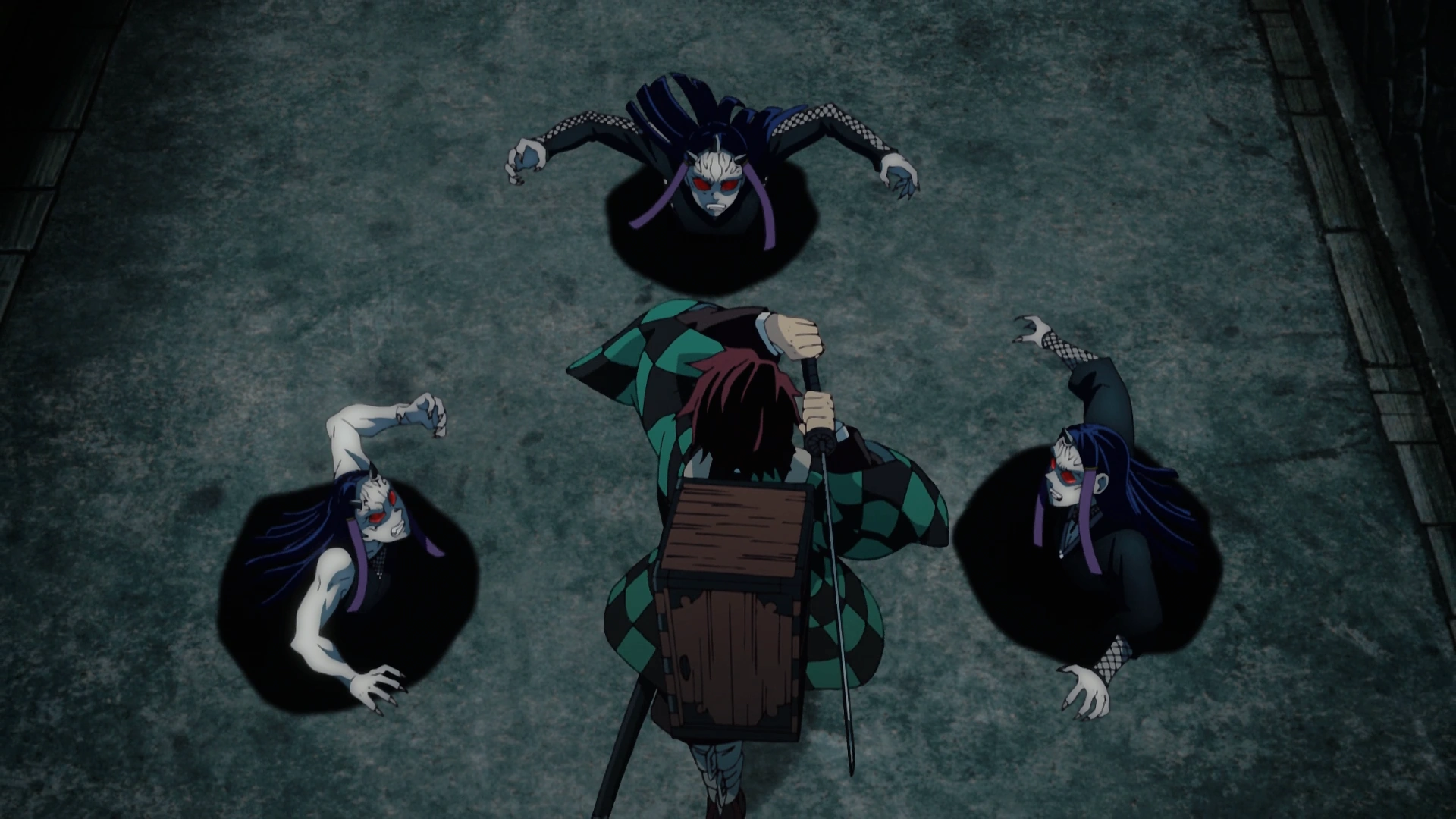
Kidnapper's Bog Arc
Anime: Season 1, episodes 4 to 5
Tanjiro's first solo assignment after joining the Corps. Two trapped girls, a swamp demon with three bodies sharing one head. Short, procedural, and low stakes.
The arc matters structurally: it establishes the demon-hunt pattern and shows Tanjiro applying Water Breathing mid-fight for the first time. It also makes clear early that Tanjiro extends moral consideration to demons in their final moments, a character trait the series returns to consistently. The three-body demon is a functional early opponent without the technique variety that defines fights later in the run. Kidnapper's Bog does what it needs to do and nothing more.
#11: Asakusa Arc
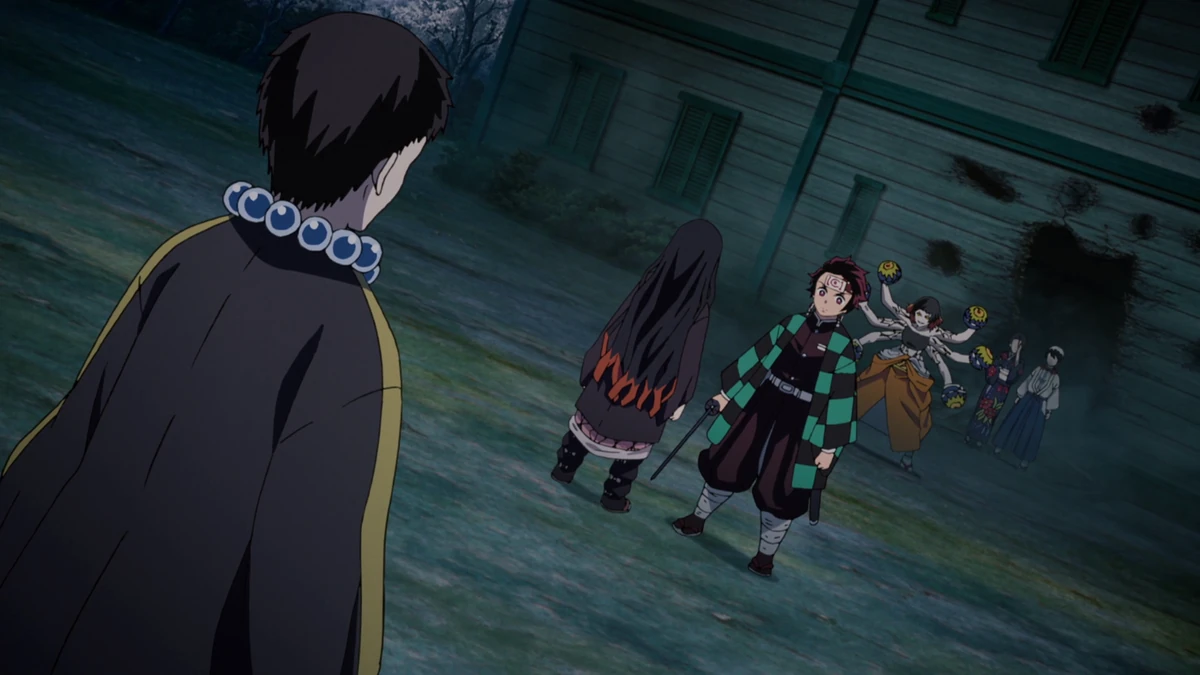
Asakusa Arc
Anime: Season 1, episodes 7 to 8
Muzan Kibutsuji appears in modern Tokyo, dressed as a civilian, having dinner with his family. Tanjiro finds him immediately. Muzan kills a man in the middle of a crowded street and disappears.
The Asakusa Arc is the most plot-critical short arc in the series. Muzan's introduction in a crowded street, in modern clothes, with a human family, resets the audience's expectations of the antagonist. He is not hiding in a dungeon. He is doing errands in Asakusa. The arc also introduces Tamayo and Yushiro, who become the medical research thread running beneath the rest of the series, and it gives Tanjiro his first concrete intelligence about the twelve Kizuki. Short and abrupt, but every beat counts.
For more on Muzan's character and power: the Muzan Kibutsuji deep-dive covers his history and design in full.
#10: Tsuzumi Mansion Arc
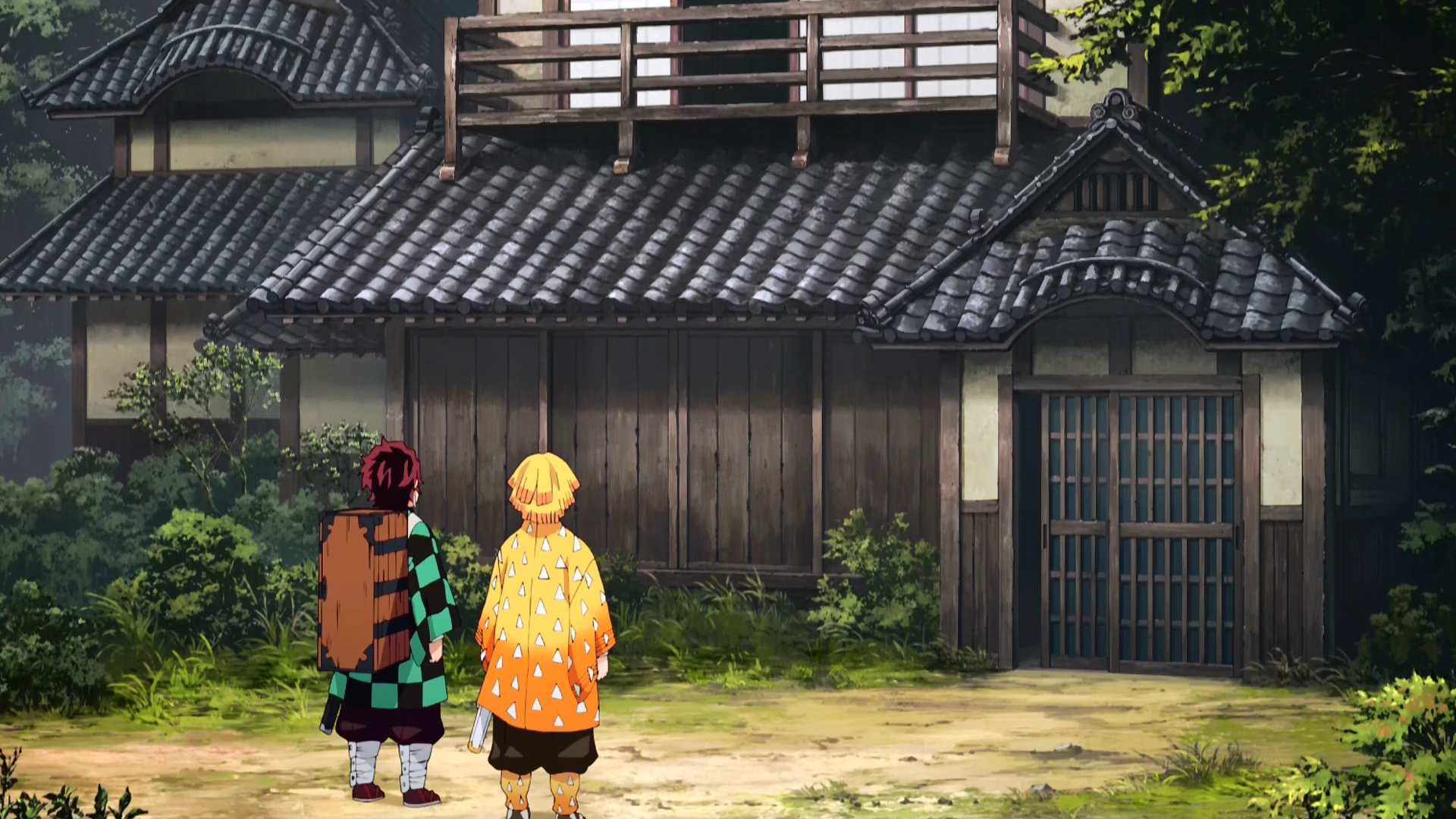
Tsuzumi Mansion Arc
Anime: Season 1, episodes 11 to 14
Zenitsu arrives, convinced he is about to die. Inosuke arrives wearing a boar's head. The core trio forms.
Tsuzumi Mansion is personality-heavy and structurally loose. Kyogai (the drumhouse demon) is the last Lower Moon opponent to receive any narrative treatment before the series escalates past that tier permanently. Zenitsu sleeping through his own fight and Inosuke being a completely feral fighter are established here as deliberate character constructions, not comedic accidents. The weakest stretch of combat in the series, but the trio dynamic that carries the show for the next three seasons is assembled here.
The Demon Slayer Lower Moons ranked post covers Kyogai and the rest of the Lower Kizuki.
#9: Rehabilitation Training Arc
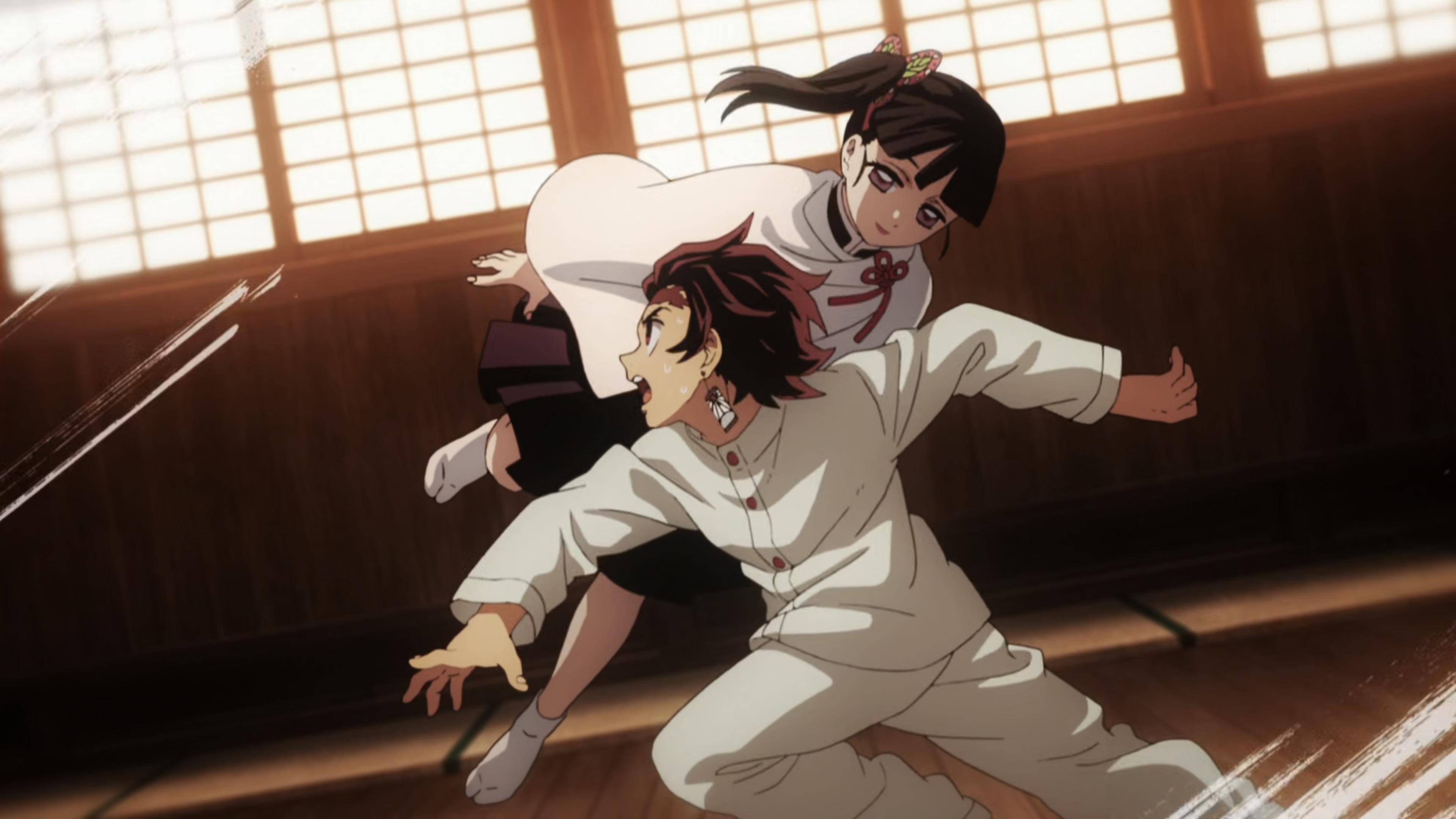
Rehabilitation Training Arc
Anime: Season 1, episodes 21 to 26 (Butterfly Mansion)
Recovery arc following Natagumo Mountain. Total Concentration Breathing training, with Kanao timing the exercises and Aoi supervising.
Rehabilitation Training is a deliberate decompression arc and functions well as one. Shinobu Kocho gets more screen time here than in any fight arc: her personality is established through how she runs the Butterfly Mansion rather than through combat. Kanao is introduced as a presence rather than as a fighter, which makes her later development land with more weight. The training montage is genuinely funny without undercutting the physical stakes. Lower-ranked because there is no meaningful combat, but the character foundation it lays pays off in the Entertainment District and Swordsmith Village arcs.
The Demon Slayer Hashira ranked post covers Shinobu's placement and technique.
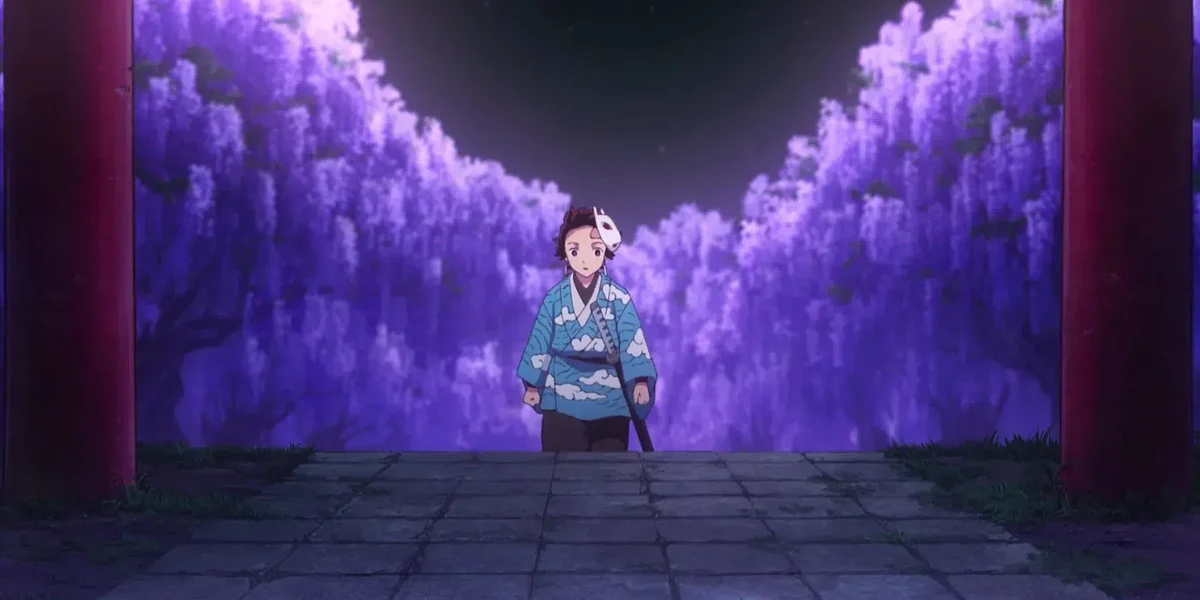
#8: Final Selection Arc
Final Selection Arc
Anime: Season 1, episodes 1 to 4 (post-training opening)
Tanjiro's two years of Sakonji Urokodaki training, the wisteria mountain trial, and Sabito.
The Final Selection Arc contains the most emotionally efficient cold open in Demon Slayer. Sabito and Makomo appear for one arc and exist only in the backstory, but the reveal of what Sabito did on that mountain (killed every demon present except the hand demon, saving every other candidate who survived the trial) lands with a weight that arcs with far more runtime cannot match. Tanjiro killing the hand demon six years later is technically a revenge arc for characters who died before episode one began. That construction is elegant and understated.
The arc's ceiling is limited by scope: the exam is Tanjiro alone in a forest, which constrains what the animation can show. The emotional payoff is high for the runtime invested.
#7: Hashira Training Arc
Hashira Training Arc
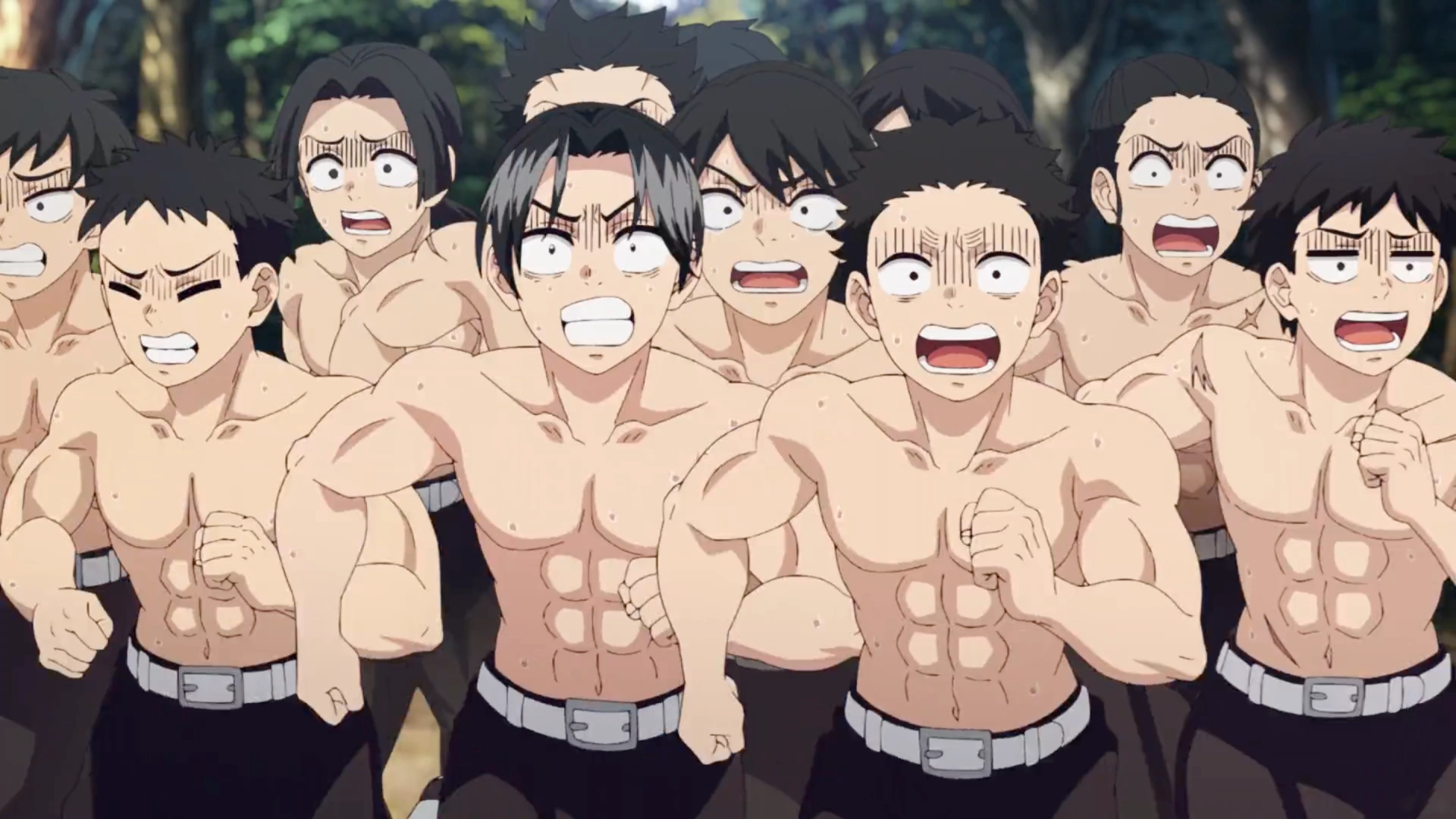
Anime: Season 4, episodes 1 to 8
Every Hashira trains Tanjiro through their specialty. Mitsuri's flexibility sessions. Sanemi's endurance cutting. Gyomei's boulder conditioning.
The Hashira Training Arc received significant criticism on airing for its near-total absence of combat. That criticism is accurate but undersells the function the arc serves. The Hashira roster had largely been background figures in previous seasons; this arc gives each one individual characterisation through how they teach rather than how they fight. Gyomei Himejima in particular is transformed from a background figure into a fully-realised character. His backstory, the orphanage, and how he came to be a sorcerer are the best non-combat sequence in Season 4.
The arc also establishes the personal stakes of Infinity Castle for every Hashira. Every fight in the trilogy lands heavier because of the groundwork laid here. Lower-ranked for the absence of combat; correctly placed above Natagumo because its long-term contribution to the series is higher.
Full Hashira coverage: the Demon Slayer Hashira ranked post.
#6: Natagumo Mountain Arc
Natagumo Mountain Arc
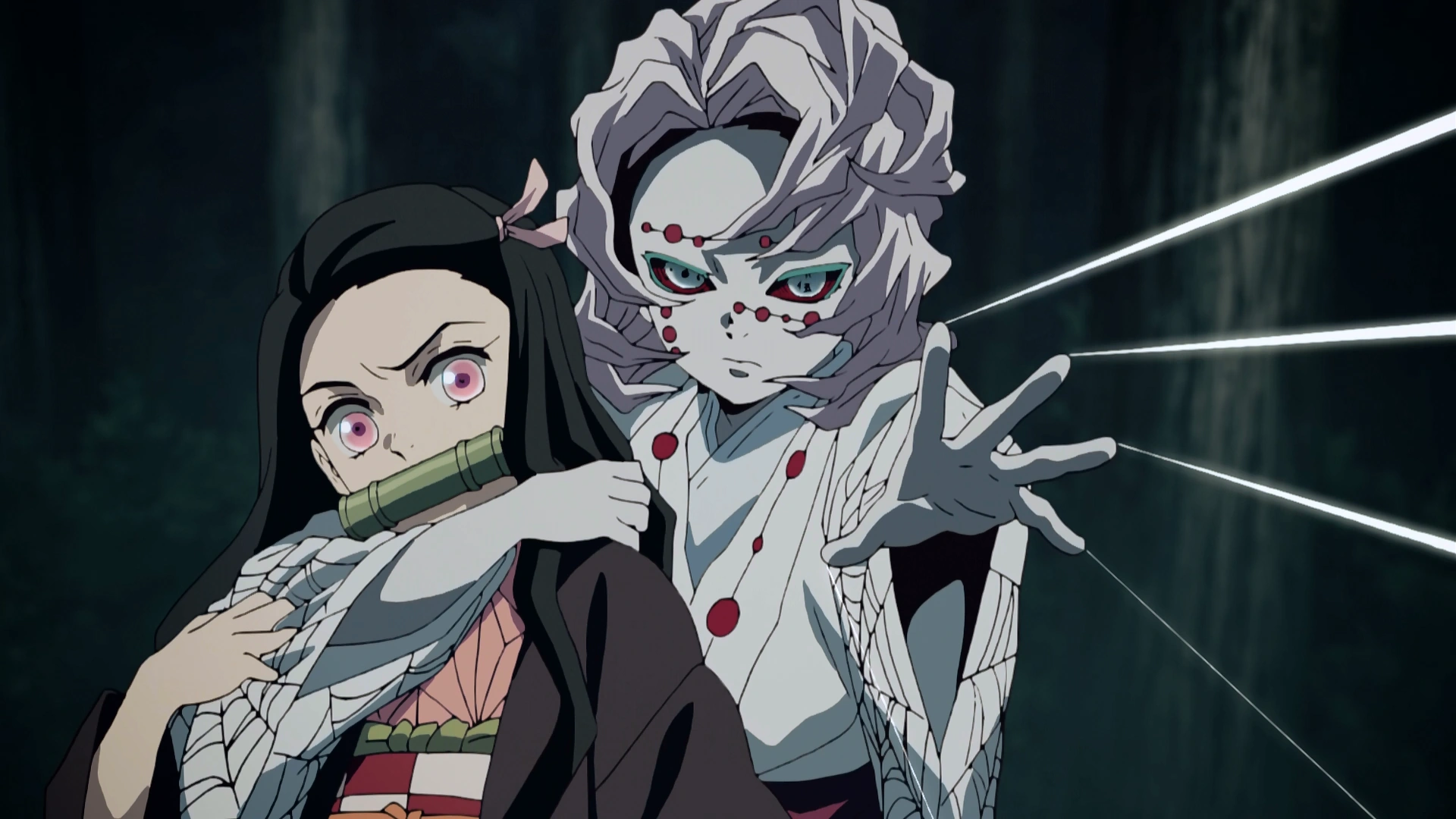
Anime: Season 1 finale, episodes 15 to 21
Rui, a Lower Moon Five spider demon who builds a replica family from coerced humans. Giyu and Shinobu's arrival. Tanjiro's accidental Hinokami Kagura moment.
Natagumo Mountain is the structural break in Season 1. The first half is demon-of-the-week procedural content with rising difficulty. Natagumo ends that pattern: the Twelve Kizuki system is revealed, a Hashira intervenes in a field mission for the first time, and Tanjiro accidentally accesses Sun Breathing without understanding what he has done. Rui's fight with Giyu includes Water Breathing: Eleventh Form, one of the cleanest technique reveals in the series.
The arc's emotional anchor is Rui and his fabricated family. The spider demon wanting a family he can trust is a coherent tragedy in miniature, and it sets up Muzan's manipulation of demons as a recurring theme.
Technique breakdown: the Demon Slayer Breathing Styles ranked post covers Water Breathing and the Sun Breathing origin.
#5: Sunrise Countdown Arc
Sunrise Countdown Arc
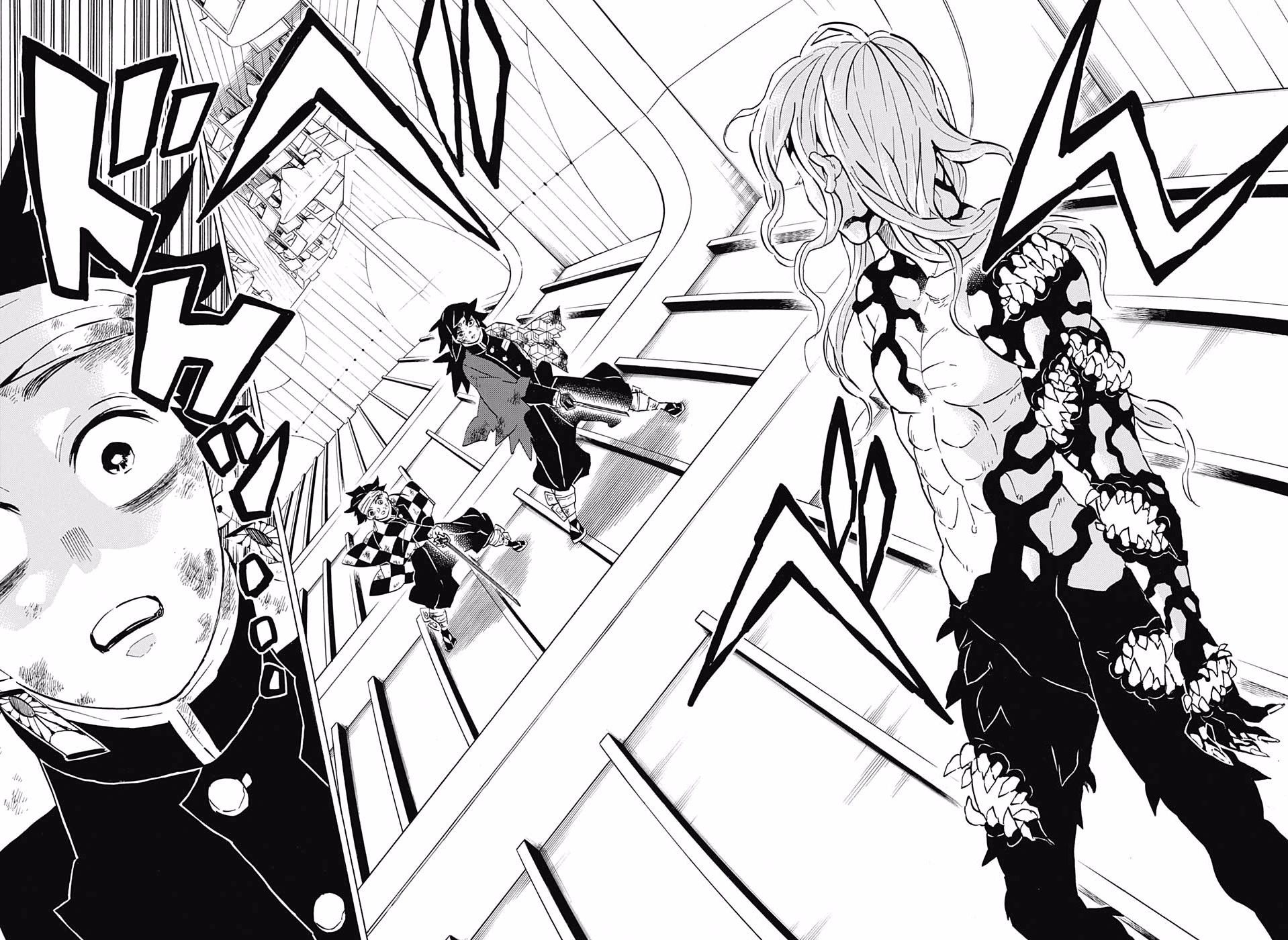
Format: Manga only, Chapters 184 to 205 (not yet anime-adapted)
The final battle against Muzan in his weakened form as dawn approaches. Every surviving Demon Slayer holding position until sunrise kills him. The modern-day reincarnation epilogue.
The Sunrise Countdown Arc contains the highest emotional payoff in the Demon Slayer manga. Muzan in his final form (infant state, following Tamayo's drug) cannot reach full power before dawn. The fight becomes a collaborative holding action: no single character wins it. Yushiro's final moment. Gyomei's death. Obanai and Mitsuri's final exchange. Each lands in succession with minimal padding between them.
The reincarnation epilogue (characters appearing in the modern day) is the most debated creative decision in the franchise. The ranking accepts it on its intended terms: the series closes by arguing that the sacrifice had meaning extending beyond the immediate war, and the modern epilogue is the demonstration of that argument. Whether that argument lands depends on the reader. The arc itself, up to that point, is structurally the most complete finale in the DS manga.
Sunrise Countdown sits at five rather than higher because the transition from Infinity Castle loses momentum and the arc remains manga-only, limiting its reach relative to the anime arcs below it.
#4: Swordsmith Village Arc
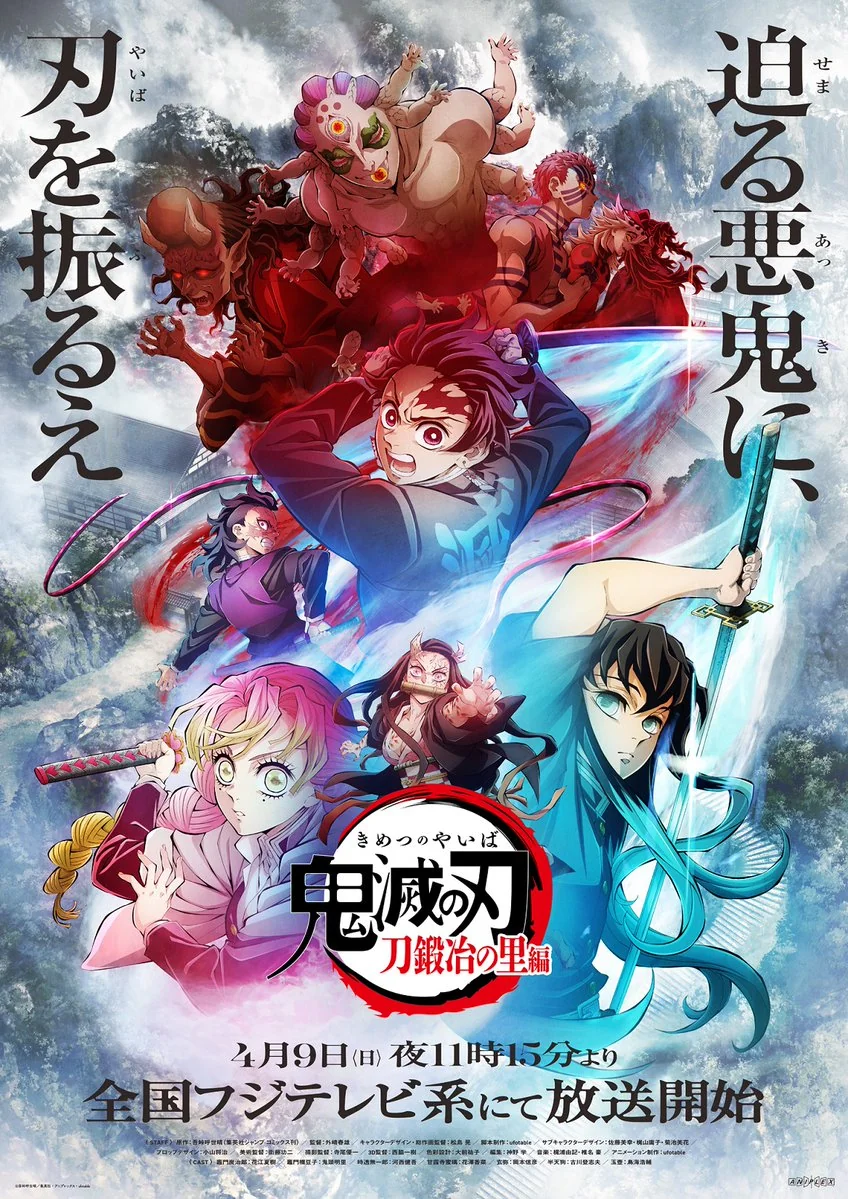
Swordsmith Village Arc
Anime: Season 3, episodes 1 to 11
Muichiro Tokito vs Upper Moon Five Gyokko. Mitsuri Kanroji vs Upper Moon Four Hantengu and his emotion-based clones.
The Swordsmith Village Arc is the best mid-series arc in Demon Slayer. Two Hashira fight two Upper Moons simultaneously in separate locations, which solves a structural problem earlier arcs had: the pacing never stalls because there are always two active fights running in parallel.
Muichiro's backstory, delivered mid-fight through memory recovery, is the most efficiently constructed character arc in the series. He goes from amnesiac to fully restored in four episodes and the acceleration works because the combat context never pauses long enough to let it drag. Mitsuri vs Hantengu's clones has some of the most technically creative fight choreography in Season 3.
The Yoriichi Zero-Type mechanical doll is the Sun Breathing origin foreshadowing that pays off in Infinity Castle. Its appearance here is the moment the series signals that Tanjiro's lineage is not incidental to the plot.
Upper Moon coverage: Upper Moons ranked. Technique coverage: Breathing Styles ranked (Love Breathing and Mist Breathing both appear here).
#3: Entertainment District Arc
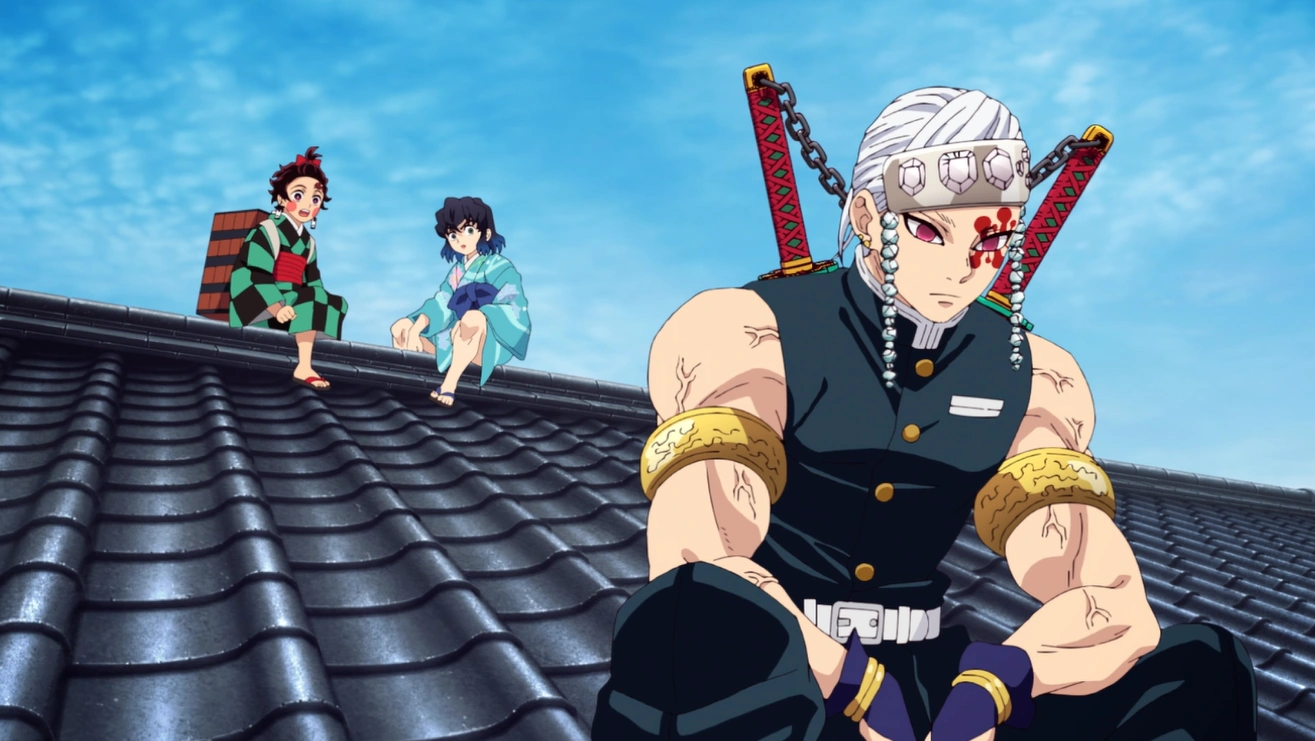
Entertainment District Arc
Anime: Season 2 second half, episodes 8 to 18
Tengen Uzui, the Sound Hashira, leads Tanjiro, Zenitsu, and Inosuke into Yoshiwara to find a missing shinobi. Upper Moon Six Daki and Gyutaro are the targets.
The Entertainment District Arc is the point at which Demon Slayer's animation became the benchmark for the genre. Ufotable's production on the final two episodes, particularly the Gyutaro fight, set a visual ceiling that no other TV-broadcast shonen had reached at that time. The Infinity Castle trilogy has since surpassed it, but Entertainment District was the moment the series announced itself as a visual event rather than just a successful manga adaptation.
The Upper Six pairing is the most structurally interesting Upper Moon design in the series. Daki is the public face; Gyutaro is the genuine threat. Defeating one without defeating the other simultaneously is impossible, which means the fight can only end when all active participants coordinate a simultaneous kill across two separate opponents. That constraint shapes the entire second half of the arc.
Gyutaro's final exchange with Daki, arguing in their last moments about whose fault it was, is one of the most quietly devastating sequences in the franchise. The first Upper Moon death on screen.
Full Upper Moon rankings: Demon Slayer Upper Moons ranked.
#2: Mugen Train Arc
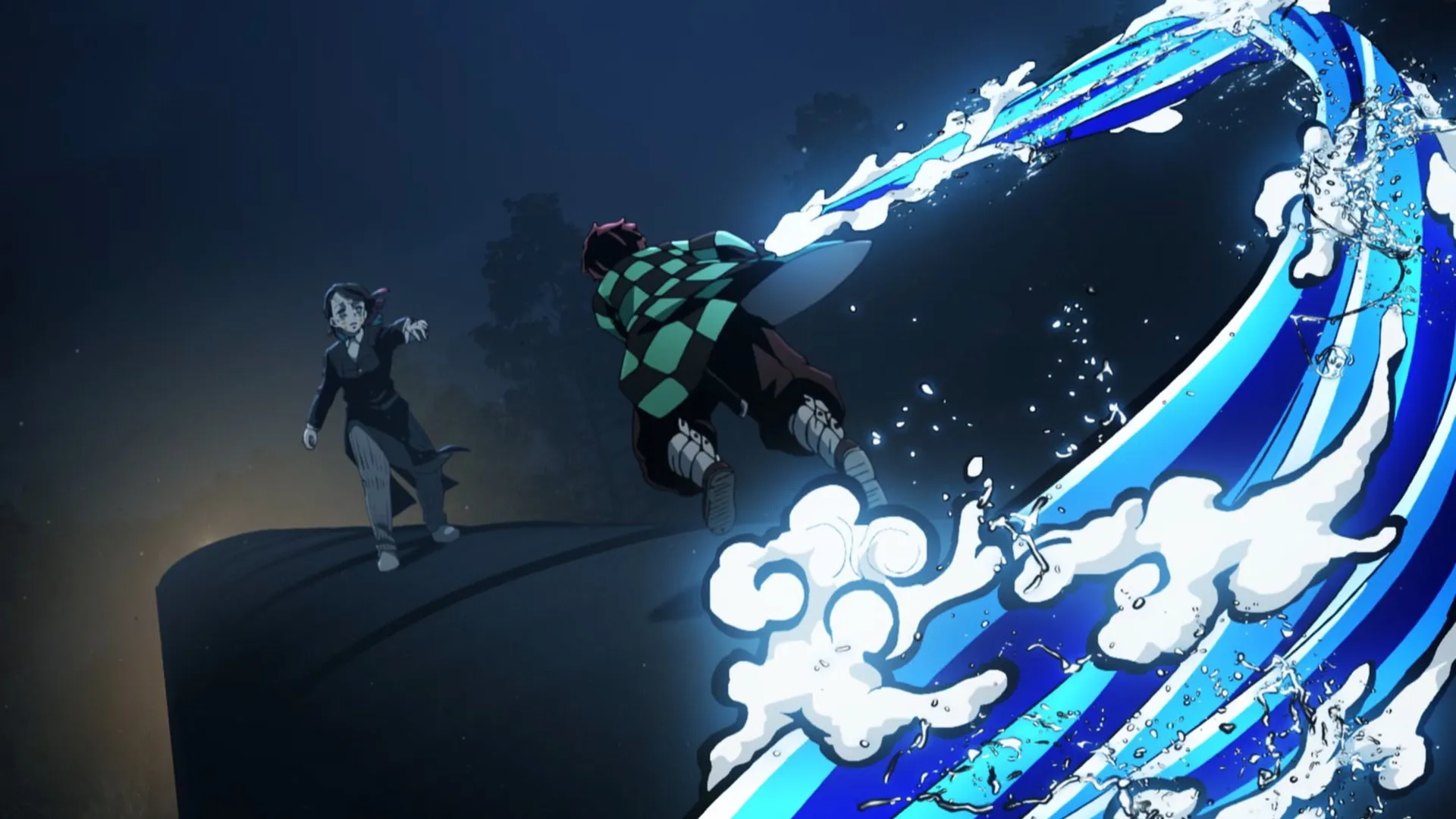
Mugen Train Arc
Format: Theatrical film (2020) + Season 2 opening episodes
Flame Hashira Rengoku Kyojuro leads a mission on a cursed train. Lower Moon One Enmu puts everyone to sleep. Upper Moon Three Akaza arrives at dawn.
Mugen Train is the emotional pivot of the entire Demon Slayer series. Everything before it builds Tanjiro's world and his goal. Everything after it runs on the energy created by Rengoku's death. The arc works because Rengoku is given enough screen time to become a character the audience cares about before the fight begins. His dream sequence, the way he handles the demon-induced sleep attack, his final conversation with Tanjiro, all of it functions because the arc invested the time to build him first.
The theatrical release became the highest-grossing anime film at its time of release and the highest-grossing Japanese film in history, surpassing Spirited Away. That commercial reality matters: Mugen Train made Demon Slayer a global franchise rather than a successful manga adaptation.
Akaza refusing to take Rengoku's head before sunrise, admitting that he could not make Rengoku yield, is the moment the series defines what the Demon Slayer Corps actually represents. They are not trying to win every fight. They are trying to hold a standard that demons cannot break.
Rengoku's placement and Flame Breathing: Demon Slayer Hashira ranked.
#1: Infinity Castle Arc
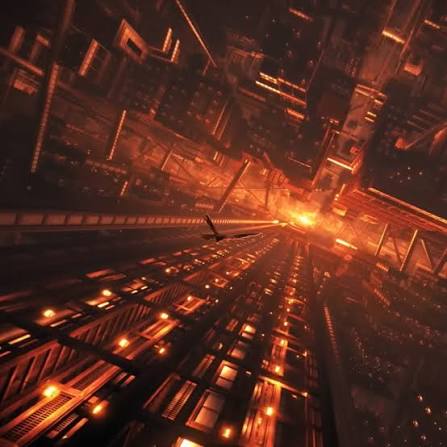
Infinity Castle Arc
Format: Movie Trilogy (Part 1: July 27 2026 / Parts 2 and 3: TBC)
Every remaining Hashira vs every remaining Upper Moon inside Muzan's dimensional fortress. Kokushibo. Doma. Akaza again. Muzan himself.
The Infinity Castle Arc is the culmination of every setup in the series. Every Hashira fight, every breathing style, every character relationship established since Season 1 is relevant here. The castle itself is a dimensional labyrinth that reshuffles the battlefield continuously, separating Demon Slayers into isolated match-ups and preventing any single character from becoming a rescue option for another.
Kokushibo is the most technically impressive Upper Moon antagonist in the series: the original Moon Breathing practitioner, Yoriichi's twin brother, a swordsman of a tier that no current Hashira has matched in 400 years. His fight with Muichiro, Sanemi, Gyomei, and Genya is the structural centrepiece of the arc and one of the longest sustained combat sequences in the manga. For Kokushibo's history and technique: the Kokushibo character deep-dive.
Doma's fight with Kanao and Inosuke resolves the Shinobu thread that began in the Rehabilitation Training arc. Akaza's second fight with Tanjiro, and its outcome, is the series' clearest statement on what the corps is defending.
The trilogy adaptation (Part 1 released July 27 2026 on Crunchyroll UK) is adapting the arc across three theatrical films, making it the most production-resource-intensive anime project since the original Evangelion films. Part 1 covers through approximately the Akaza rematch.
Full arc mechanics: Infinity Castle Arc explained. Individual fight rankings: Hashira vs Upper Moons fights ranked.
The Mugen Train vs Infinity Castle debate
These two arcs are not competing for the same thing. Mugen Train is the most emotionally concentrated arc in Demon Slayer: one train, one fight, one death, one thematic statement about what the Corps exists to do. It is the most efficiently constructed arc in the series and does not overstay its runtime by a single episode.
Infinity Castle has simultaneous complexity across five major fights, the weight of every arc that preceded it, and a scale that Mugen Train does not attempt.
The case for Mugen Train: Rengoku's death is the most impactful single moment in the franchise. No character death in Infinity Castle, not even among the Hashira who fall in that arc, lands with the same weight, because Mugen Train already established the emotional register that all subsequent deaths are measured against.
The case for Infinity Castle: scale is not a flaw. The simultaneous match-ups, the castle's spatial manipulation, and the convergence of four seasons of character development into one arc represent an ambition that Mugen Train, for all its precision, was never trying to match. Infinity Castle is the better arc for what it sets out to be.
The defensible position: Infinity Castle ranks higher because it fulfils the series-length promise rather than a chapter-length one. Mugen Train is the better self-contained story. They are asking different questions and both answer them correctly.
Anime season and movie timeline
| Content | Format | Arcs covered | |---------|--------|--------------| | Season 1 | TV (26 episodes) | Final Selection, Kidnapper's Bog, Asakusa, Tsuzumi Mansion, Natagumo Mountain, Rehabilitation Training | | Mugen Train | Theatrical film | Mugen Train Arc | | Season 2, part 1 | TV (7 recap episodes) | Mugen Train recap | | Season 2, part 2 | TV (11 episodes) | Entertainment District Arc | | Season 3 | TV (11 episodes) | Swordsmith Village Arc | | Season 4 | TV (8 episodes + special) | Hashira Training Arc | | Infinity Castle Part 1 | Theatrical film (Jul 2026) | Infinity Castle opening through Akaza rematch | | Infinity Castle Part 2 | Theatrical film (TBC) | Infinity Castle continued | | Infinity Castle Part 3 | Theatrical film (TBC) | Infinity Castle conclusion | | Sunrise Countdown | Manga only (Ch 184-205) | Not yet adapted |
Closing
Demon Slayer's arc quality curve is unusually consistent for a long-running shonen series. The weakest arcs are functional, not bad: they establish characters and set patterns that pay off in later arcs with far more resources behind them. The peaks, from Entertainment District through Infinity Castle, are among the most technically accomplished animation productions released in any format.
Infinity Castle Part 1 being in cinemas now makes this the optimal moment to start or continue the series. If Demon Slayer is still on your list, the best completed anime to binge-watch guide covers where it sits relative to other long-form series worth the time commitment.
For the full character and technique breakdown, the DS cluster posts cover every Hashira (Hashira ranked), every Upper Moon (Upper Moons ranked), every breathing style (Breathing Styles ranked), and every nichirin blade (Nichirin Sword Colors explained).
More from the blog
Get new anime collector posts in your inbox.
Reviews, guides, and hobby news — delivered directly.
By subscribing, you agree to our Privacy Policy.